Tariff Crosswinds: How U.S. Trade Policy Ripples Through America's Supply Chain, and the Unique Impact on Alaska
In the spring of 2025, longshoremen at Seattle's Terminal 46 were left in limbo. A surge in tariffs on Chinese imports to 145% escalated an already-tense trade war, putting port jobs at risk. "What we are facing really is kind of uncertainty and inconsistency," said John McCarthy, president of the Port of Tacoma. That uncertainty extends far beyond the West Coast, it's coursing through the entire U.S. supply chain. From Midwest factories to Alaska's grocery stores, businesses and consumers nationwide are bracing for the ripple effects of shifting trade policy.
A Shifting Tariff Landscape in the Post-COVID Era
After a brief pandemic-era lull, tariff tensions have flared with new intensity. The U.S.-China trade war that began in 2018 never fully abated, but during the COVID-19 crisis it took a backseat to the pandemic's own supply chain chaos. Now, with global logistics recovering, tariffs are again front and center as a tool of U.S. economic policy. The Biden administration largely kept in place the import duties on Chinese goods introduced under President Trump, even as businesses urged relief to ease inflation. By late 2024, the prospect of escalating trade barriers returned in force.
In early 2025, newly proposed tariffs and retaliatory moves signaled a fraught new chapter in the conflict. In February 2025, the administration enacted an abrupt 10% hike on Chinese imports, prompting Beijing to retaliate with 15% tariffs on American coal and natural gas and 10% on U.S. crude oil and farm equipment. Because China exports far more to the U.S. than it imports, Beijing also pursued unconventional countermeasures, for example, by restricting exports of critical minerals needed in electronics and defense.
The result is a trade environment defined by whiplash. Tariffs are announced, adjusted, or suspended with head-spinning speed. Importers respond by accelerating shipments during any window of lower duties. "Supply chain managers stockpiled goods again in February in efforts to outrun looming tariffs," noted a FreightWaves analysis. This front-loading of cargo creates surges and lulls at ports, a "stop-and-go" flow that makes it hard for carriers and warehouses to plan. Even a 90-day tariff truce between Washington and Beijing in May 2025, which rolled back some duties, offered only partial relief. Port officials warned that such a short pause isn't enough to restore stability. As Port of Seattle Commission president Toshiko Hasegawa put it, "the temporary relief isn't enough to give shipping carriers the stability they need".
Shockwaves Through Domestic Supply Chains and Prices
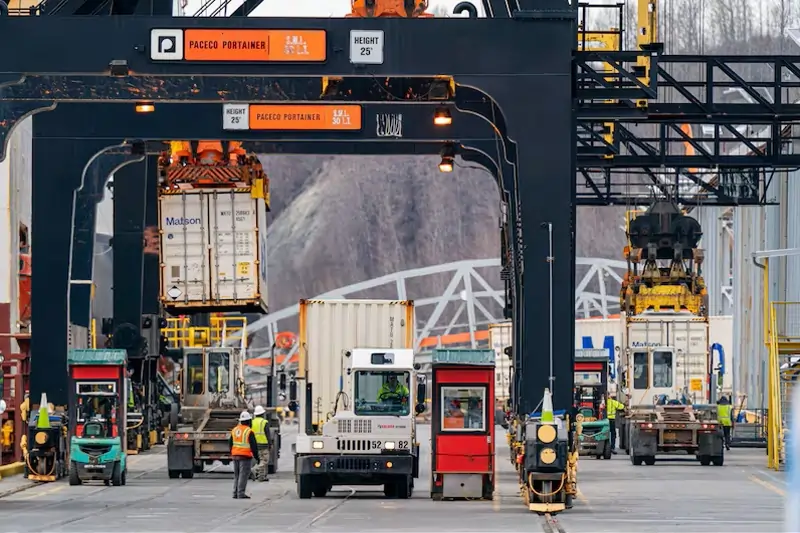
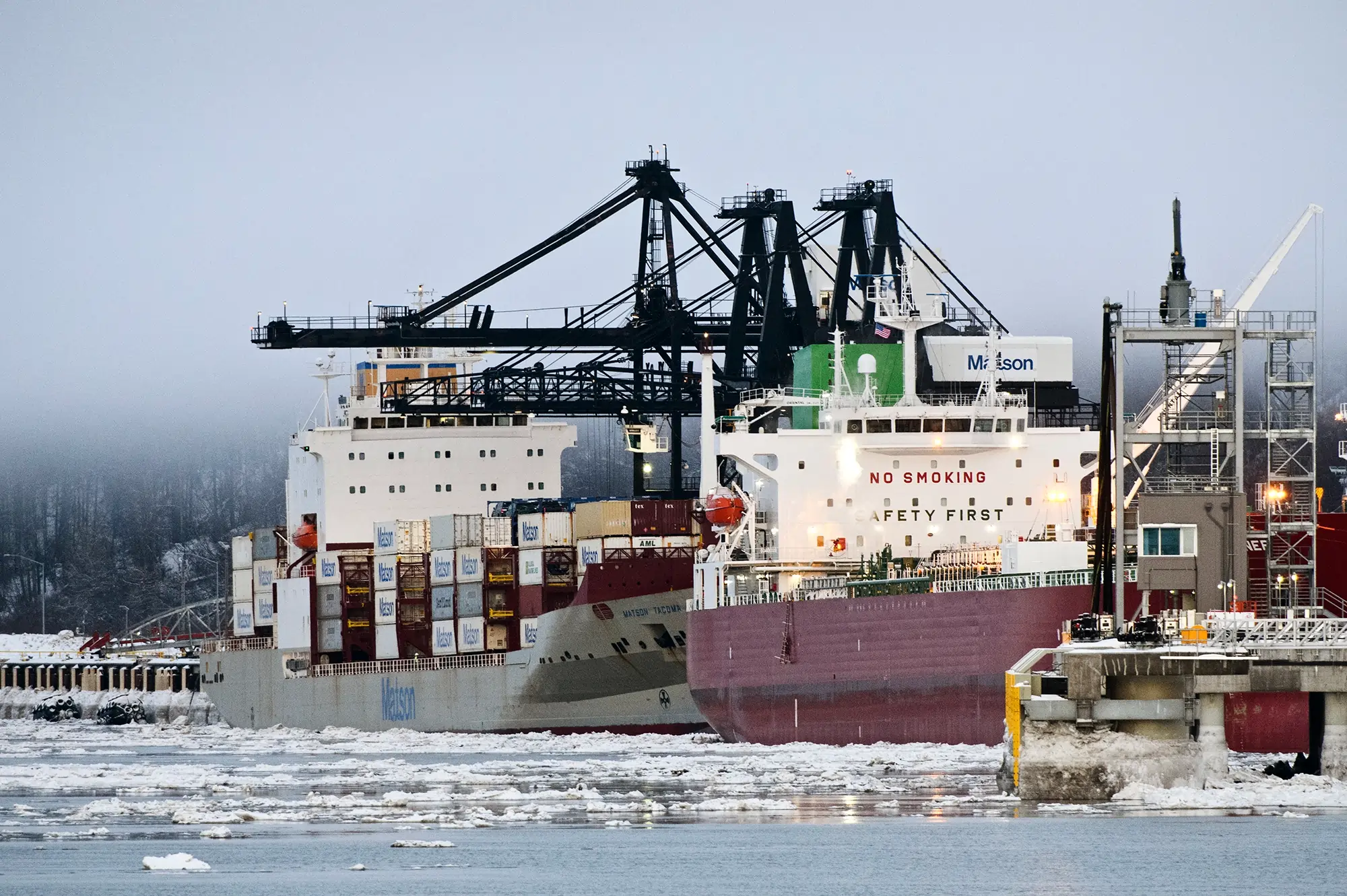
Longshore workers handle containers at a U.S. port amid rising trade tensions. Port officials warn that tariff uncertainty is undermining stability and putting jobs at risk. Such instability in global trade can trickle down to workers and consumers alike.
Each twist in tariff policy sends shockwaves through domestic supply chains. American companies reliant on imported parts and materials must scramble to re-price goods, re-route shipments, or rethink suppliers. The most immediate effect is on costs: steep import duties inevitably translate into higher prices for finished products. "Here locally, we can expect to see inflation," Hasegawa said, noting that about 40% of Seattle's trade in 2024 was with China. That local warning reflects a nationwide trend. Economists at the Federal Reserve estimate that recent tariff increases could add around 0.5 percentage points to core inflation in the U.S. if companies pass along the added costs to consumers. Even essential goods like medications can get pricier when their ingredients are hit by tariffs.
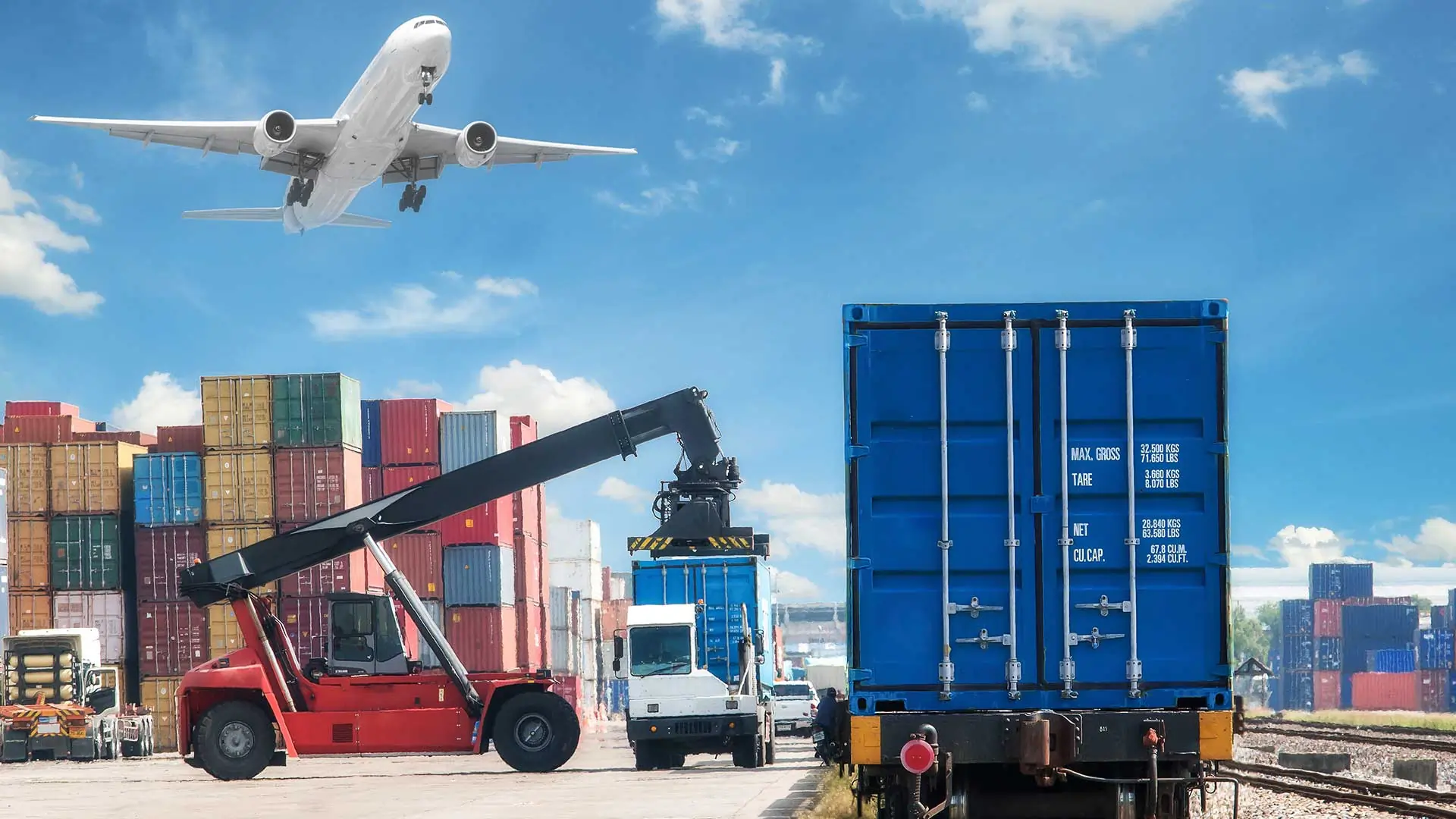
Tariffs also breed uncertainty up and down the supply chain. Many businesses have pulled forward orders to get ahead of scheduled tariff hikes, leading to sudden spikes in shipping volumes followed by slumps. The stop-go pattern is hard on logistics providers, and few companies can plan confidently amid such volatility. American exporters are feeling the squeeze too: retaliatory tariffs have caused U.S. outbound cargo volumes to slide at many ports. One proposed U.S. policy would impose an unprecedented fee on foreign-built ships entering American harbors, a move that could add $600–$800 in cost per container on those voyages. Intended to pressure Beijing, such measures could become self-inflicted costs on U.S. shippers if implemented.
The Alaska Angle: A Supply Chain on the Edge of the Map
More than any other state, Alaska lies at the end of America's supply chain. About 90% of goods shipped into Alaska flow through just two West Coast ports, Seattle and Tacoma, before traveling 2,000 miles by sea to Anchorage. The Port of Alaska in Anchorage handles roughly half of all freight entering the state. With so much riding on a few transit routes, any disruption reverberates through Alaska's economy.
Consider the knock-on effects of a single delayed ship: In May 2024, a mechanical issue sidelined one of the main cargo vessels to Anchorage, forcing it to miss two weekly voyages. TOTE Maritime scrambled to reroute freight via alternate modes and even enlisted competitor Matson to carry priority goods. Thanks to those measures, produce and milk still reached store shelves on time. But the close call laid bare Alaska's vulnerability, only four big ships carry most of the state's necessities each week. If one or two are knocked out by breakdowns, strikes, or trade turmoil, the state's lifeline quickly frays.
Tariffs add yet another strain to this precarious system. When imports become more expensive, Alaskans effectively pay a double markup, once from the tariff itself, and again from the steep cost of hauling goods thousands of miles to far-flung communities. One Anchorage retailer who imports teas and spices from dozens of countries expects to raise prices around 45% in May due to the squeeze of tariffs and scarcity. Owner Liz Eldridge bulk-ordered extra inventory in January to buffer the impact, but costs still climbed. "We can switch countries of origin, but even if we're switching from something that's hit by 80% tariffs, it's still 10%, it's still 20%," she said of the pervasive price hikes.
Remoteness amplifies every supply chain woe. Over 80% of Alaskan communities have no road access, so goods must move by barge or plane. There are few detours if a primary route falters, a single barge delay due to rough seas can leave villages waiting on food shipments, and a spike in jet fuel prices can curtail cargo flights carrying medicine. In short, Alaska's supply lines are fragile by default, so external economic shocks hit the Last Frontier "hard and fast."
Adapting in the Last Frontier: How Alaskan Shippers Cope
Faced with these challenges, Alaskan businesses are leaning on creativity and grit. Shippers are adjusting procurement strategies; ordering early, buying in bulk, and diversifying sources where possible. In an April survey by Alaska's Small Business Development Center, over 70% of small firms said their costs have already jumped due to tariffs. Many entrepreneurs reported feeling "despair, frustration and uncertainty," unsure how to plan for the next quarter. "There's very few businesses out there that thrive in chaos," noted SBDC executive director Jon Bittner. Without some stability, "if you don't even know what your products or services are going to cost three or six months down the line... it's impossible to find clients"
Some adaptations are pragmatic. Alaska's major freight carriers have long practiced contingency planning due to weather, now they apply it to geopolitics too. Ocean shippers and airlines are coordinating on backup plans for critical cargo. If a ship is delayed or rerouted, freight forwarders arrange expedited options, like trucking loads to an alternate port or switching to air freight for high-value goods. During the 2024 vessel outage, TOTE and Matson proved that competitors can become collaborators in a pinch, sharing capacity to ensure Alaska wasn't cut off. That spirit of cooperation is a hallmark of the logistics community in Alaska, born of necessity in a small, challenging market.
Technology is another part of the toolkit. Logistics managers are investing in real-time tracking and inventory systems that spot trouble early, for example, alerting if a shipment is stuck in customs limbo due to a sudden tariff code change. With better visibility, they can pivot faster, whether that means reordering from a different source or alerting remote customers about delays. Some firms are even keeping a modest safety stock of non-perishable essentials in Alaska as a buffer against import disruptions, despite the added warehousing cost. And many shippers are turning to specialized logistics partners for help navigating the turmoil. In an environment where the margin for error is thin, expertise in Alaska-specific shipping is invaluable. Carriers like Patriot Logistics, which focus exclusively on inter and intra-Alaska freight, act as problem-solvers for the "last mile" (or often last few hundred miles) of delivery. They offer local knowledge of Alaska's terrain, weather, and regulations that larger outside firms may lack. Working with such partners gives supply chain planners a nimble, Alaska-savvy team on the ground to troubleshoot issues and keep goods moving. As one industry publication put it, success in Alaska requires being an "expert logistics orchestrator," stitching together multiple transport modes into one reliable service.
Looking Ahead: Bracing for More Cross-Border Turbulence
The tariff battles of 2024–2025 are still unfolding, and their full impact on the American supply chain has yet to be seen. What is clear is that volatility is the new normal in trade. Policy shifts have become as unpredictable as the weather, and Alaskans know a thing or two about weathering storms. Policymakers face pressure to balance tough trade stances with the economic collateral damage at home. Whether a lasting truce comes or further escalation ensues, companies cannot afford complacency.
For Alaskan logistics, the stakes are especially high. The state's geographic isolation and dependency on external trade magnify each ripple of U.S. tariff policy into a wave crashing on its shores. Still, Alaska's freight community has shown it can improvise and persevere under challenging conditions.
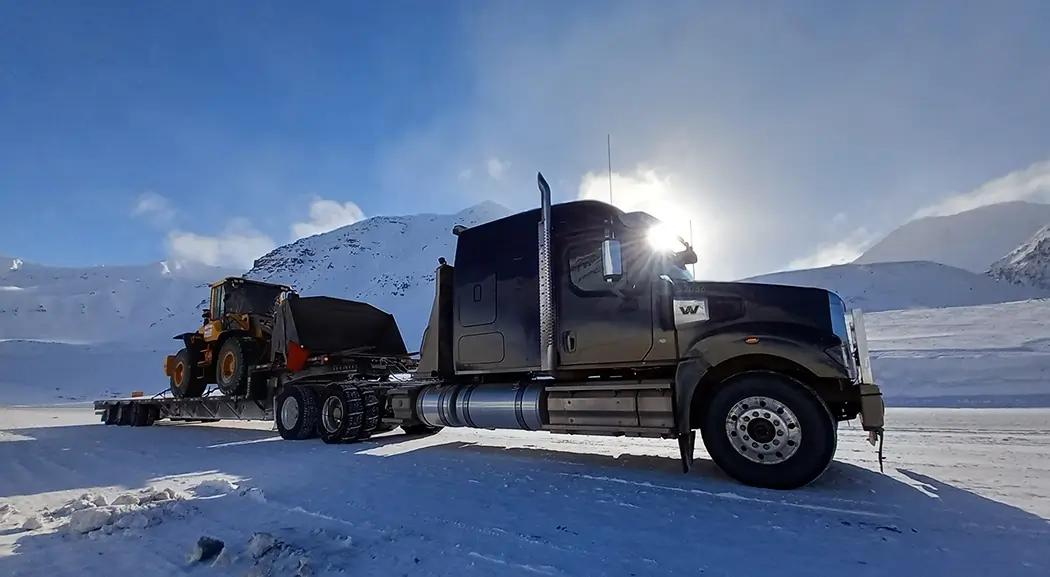
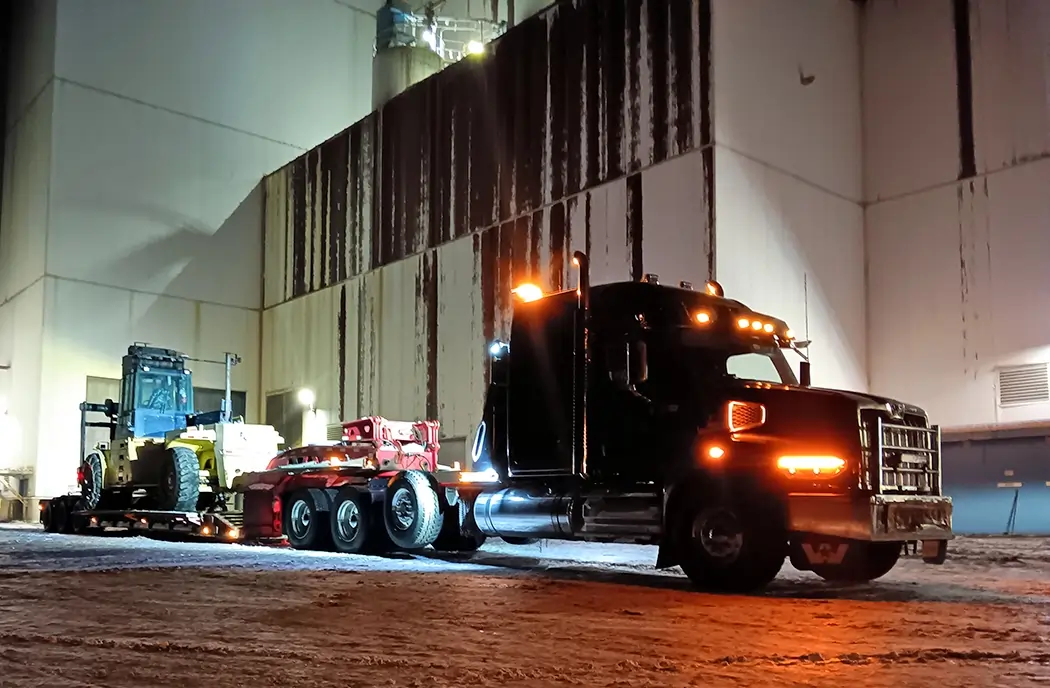
If your business is feeling the strain of these disruptions, consider tapping into local expertise. Patriot Logistics, Alaska's premier road freight carrier, stands ready with Alaska-focused solutions and hands-on support. Don't weather the storm alone: contact Patriot Logistics to keep your freight moving across the Last Frontier.
Related Posts