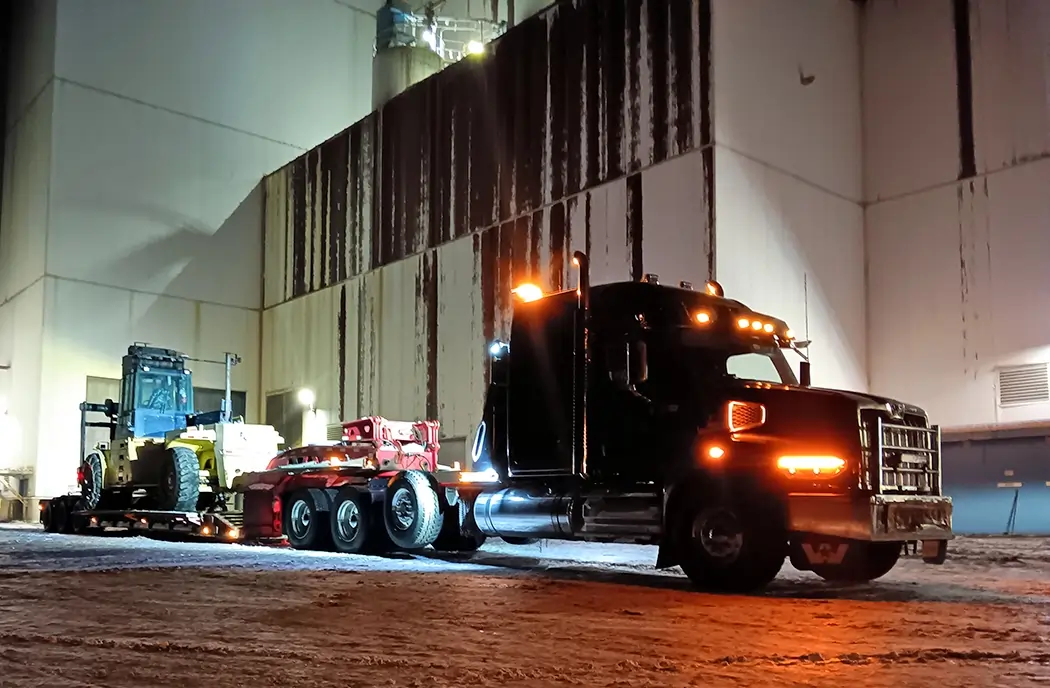
How to Select the Right Freight Carrier in Alaska
Choosing the right freight carrier is critical for successful shipping in any market, but in Alaska, this decision takes on even greater importance. The state's unique challenges, vast distances, extreme weather, limited infrastructure, and remote destinations, make carrier selection a key factor in logistics success. This guide outlines the essential considerations for selecting a freight carrier in Alaska.
Understanding Alaska's Freight Environment
Before evaluating carriers, it's important to understand what makes Alaska's freight environment unique:
- Geographic Challenges: Alaska's immense size and diverse terrain create fundamental logistics challenges
- Limited Infrastructure: The state has approximately 5,000 miles of paved roads, with many communities accessible only by air or water
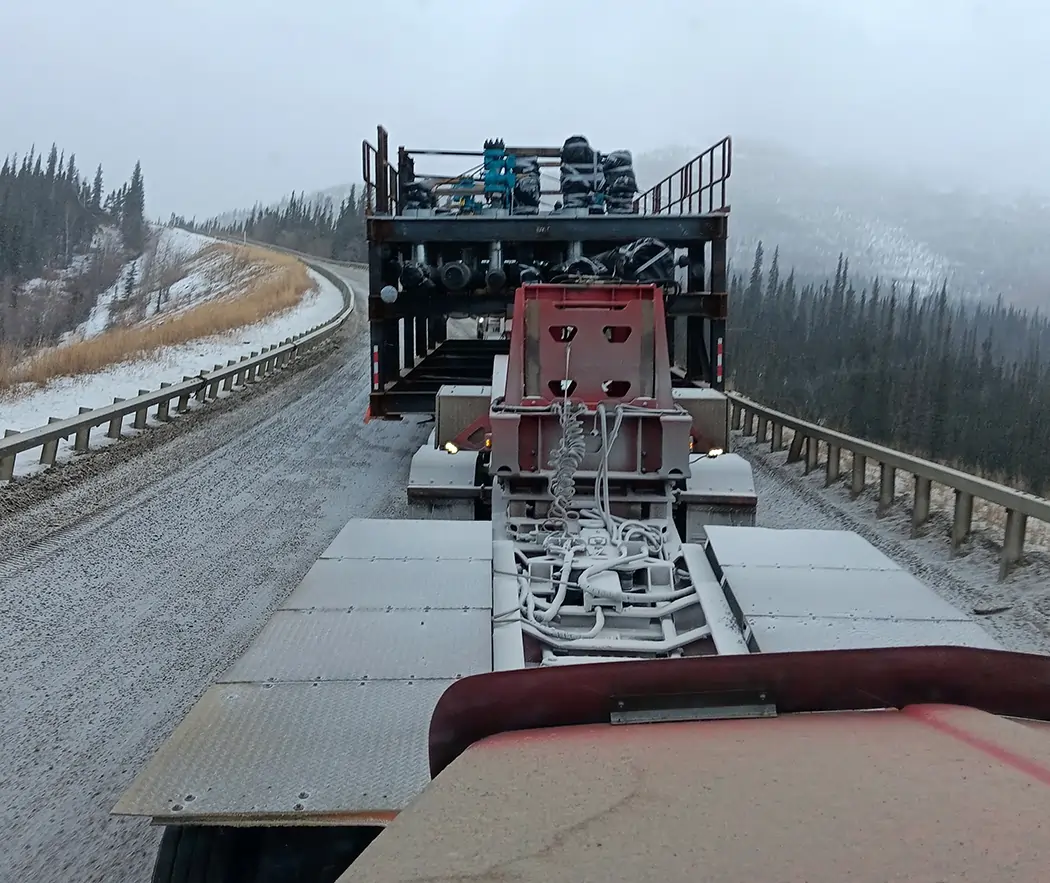
- Extreme Weather: Winter temperatures can drop to -50°F in interior regions, while coastal areas experience some of North America's most severe storms
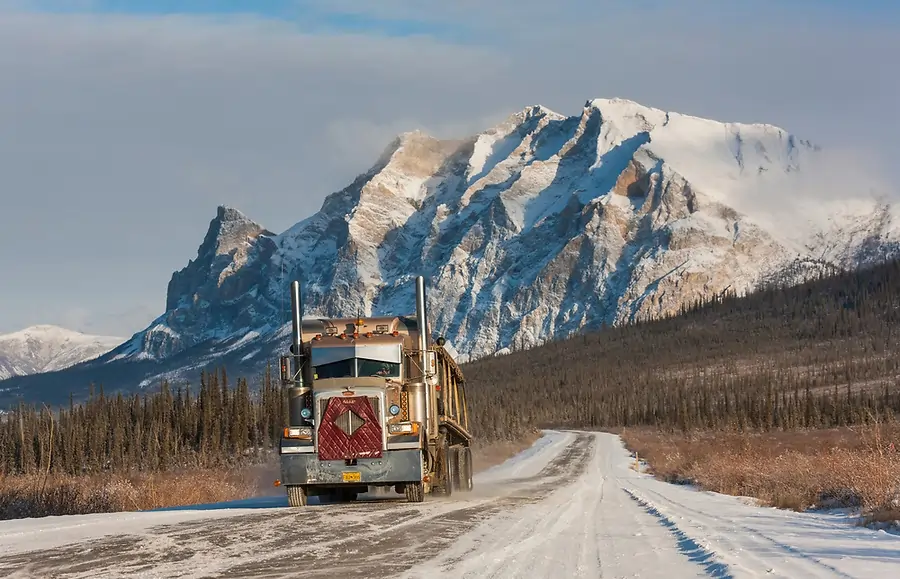
- Seasonal Limitations: Ice roads in winter, spring breakup, and fall freeze-up all affect transportation options throughout the year
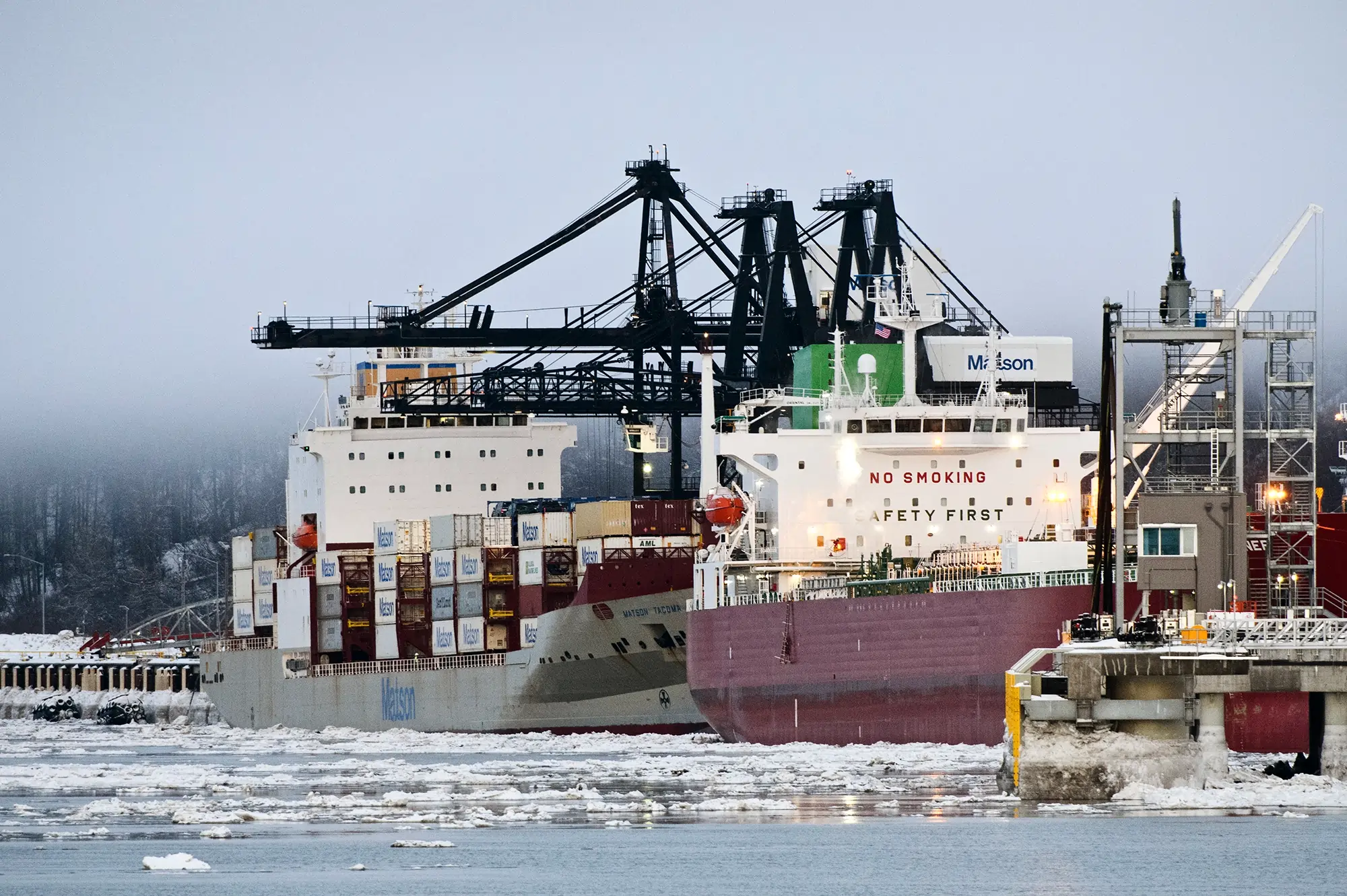
- Transportation Mix: Most freight requires multiple modes of transportation, often including barge, plane, and truck to reach final destinations
- Higher Costs: The additional distance, challenging conditions, and infrastructure limitations result in higher transportation costs
Essential Criteria for Evaluating Alaska Carriers
Alaska Experience and Expertise
The most important qualification for an Alaska carrier is demonstrated experience in the state's unique operating environment. Look for:
- Years in Alaska: Longevity indicates successful adaptation to local challenges
- Knowledge of Specific Regions: Experience in your particular origin/destination areas
- Industry-Specific Expertise: Familiarity with your industry's unique requirements
- Local Staff: Alaska-based personnel who understand local conditions
- References: Testimonials from other Alaska shippers, particularly in your industry
Service Coverage
Evaluate whether the carrier serves your specific locations:
- Geographic Coverage: Confirm service to your exact origin and destination points
- Service Frequency: Regular scheduled service versus on-demand availability
- Seasonal Limitations: Any restrictions during certain times of year
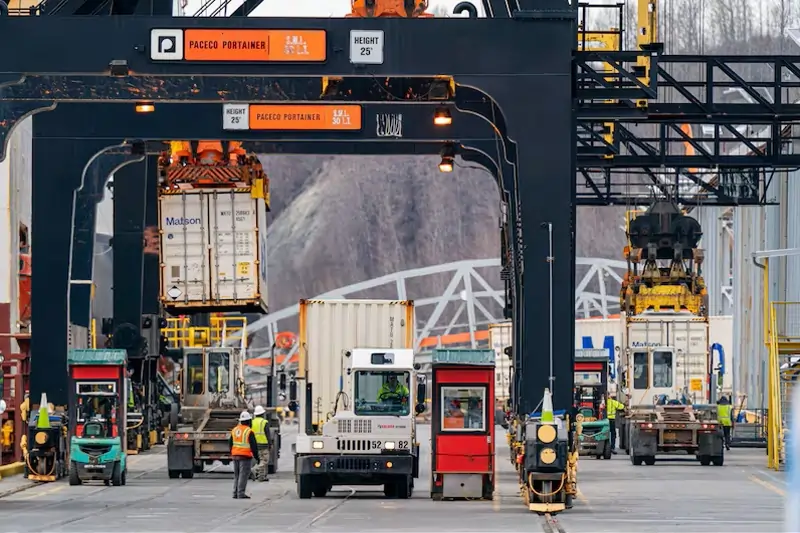
- Intermodal Capabilities: Ability to coordinate with air, marine, or rail services if needed
- Last-Mile Solutions: Capability to reach remote or challenging final destinations
Equipment and Capabilities
The carrier must have appropriate equipment for Alaska conditions and your specific freight:
- Cold Weather Preparation: Vehicles equipped for extreme temperatures
- Diverse Fleet: Appropriate equipment types for your specific cargo
- Specialized Equipment: Availability of flatbeds, refrigerated trailers, or other specialized units if needed
- Equipment Condition: Well-maintained fleet to minimize breakdowns in remote areas
- Capacity Availability: Sufficient equipment to handle your volume requirements
Reliability and Performance
Past performance is a strong indicator of future results:
- On-Time Performance: Track record of meeting delivery commitments
- Claims History: Low incidence of freight damage or loss
- Contingency Planning: Established protocols for weather delays and other disruptions
- Safety Record: DOT safety ratings and accident history
- Consistent Communication: Proactive updates and responsive customer service
Technology and Visibility
Modern technology enhances service quality and visibility:
- Shipment Tracking: Real-time visibility of freight location and status
- Communication Systems: Reliable connectivity even in remote areas
- Documentation Processes: Efficient, accurate paperwork handling
- Weather Monitoring: Systems to anticipate and respond to changing conditions
- Reporting Capabilities: Performance metrics and analytics
Pricing Structure and Value
While cost is important, value encompasses more than just the base rate:
- Transparent Pricing: Clear rate structures without hidden charges
- Accessorial Charges: Reasonable fees for additional services
- Fuel Surcharge Methodology: Fair and transparent fuel adjustment policies
- Volume Discounts: Available incentives for consistent shipping
- Total Cost Perspective: Consider reliability and damage prevention in overall value assessment
The Carrier Selection Process
Step 1: Define Your Requirements
Before contacting carriers, clearly define your needs:
- Specific origin and destination points
- Typical shipment sizes and characteristics
- Service frequency requirements
- Special handling or equipment needs
- Seasonal variations in your shipping patterns
- Key performance indicators important to your business
Step 2: Research Potential Carriers
Identify carriers that potentially meet your needs:
- Industry referrals and recommendations
- Alaska transportation directories and associations
- Online research and reviews
- Carriers currently serving similar businesses
Step 3: Request Detailed Information
Contact promising carriers to request:
- Service guides specific to Alaska operations
- Equipment specifications and availability
- Transit time estimates for your lanes
- Pricing proposals including all applicable charges
- References from current customers
- Copies of operating authorities and insurance certificates
Step 4: Conduct Thorough Evaluation
Evaluate carriers against your requirements:
- Compare service offerings and capabilities
- Check references with similar shipping profiles
- Verify insurance coverage and operating authority
- Assess technology platforms and tracking capabilities
- Evaluate pricing structures and total cost implications
Step 5: Start with Limited Implementation
When possible, test new carrier relationships:
- Begin with non-critical shipments
- Establish clear performance expectations
- Monitor results closely during initial shipments
- Provide feedback and address any issues promptly
- Gradually increase volume as performance is verified
Red Flags to Watch For
Be cautious of carriers that exhibit these warning signs:
- Limited Alaska Experience: New entrants to the Alaska market may underestimate challenges
- Vague Service Commitments: Inability to provide specific transit times or service details
- Unusually Low Rates: Pricing significantly below market may indicate service compromises
- Poor Communication: Slow response times during the quoting process often predict service issues
- Reluctance to Provide References: Unwillingness to connect you with current customers
- Inadequate Insurance: Coverage levels below industry standards for Alaska operations
Building Successful Carrier Relationships
Once you've selected a carrier, these practices help build a successful partnership:
- Clear Communication: Provide accurate information and advance notice of requirements
- Feedback Loop: Establish regular performance reviews and communication channels
- Volume Consistency: When possible, provide consistent shipping patterns
- Reasonable Expectations: Understand Alaska's unique challenges and limitations
- Long-Term Perspective: View the relationship as a strategic partnership rather than a transaction
Conclusion
Selecting the right freight carrier in Alaska requires careful consideration of the state's unique challenges and your specific shipping requirements. By thoroughly evaluating potential carriers against the criteria outlined in this guide, you can identify partners capable of providing reliable service in even the most challenging conditions. Remember that in Alaska logistics, the lowest rate rarely equates to the best value, reliability, experience, and problem-solving capability often deliver greater long-term benefits than marginally lower pricing.
Patriot Logistics brings decades of Alaska freight expertise to every shipment. For businesses seeking a carrier that understands the unique challenges of shipping in the Last Frontier, request a customized quote or contact our logistics team at (907) 414-3222 to discuss your specific needs.
Related Posts