
LTL Freight Guide for Alaska
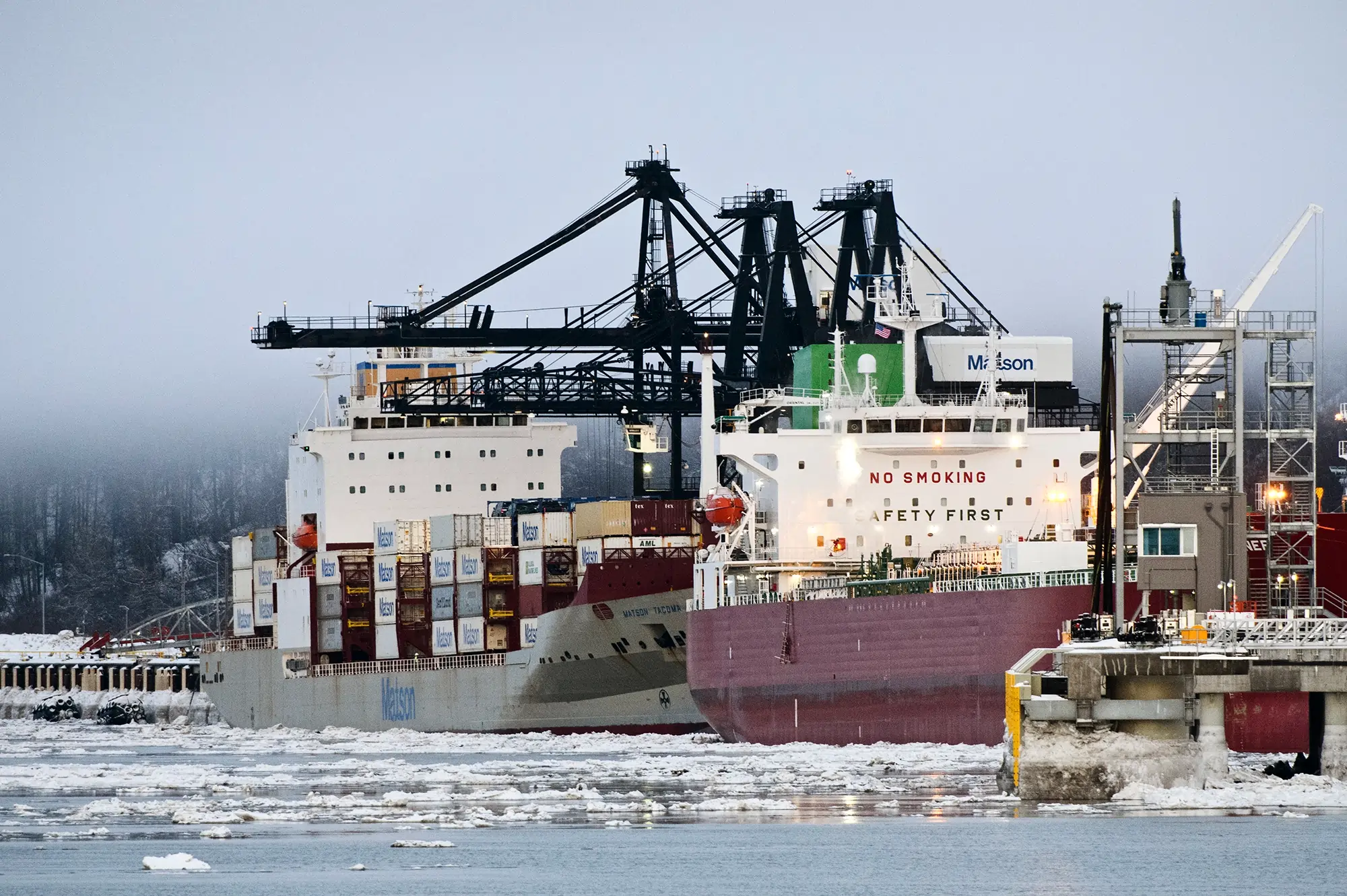
Less-than-truckload (LTL) shipping provides a cost-effective solution for businesses moving smaller freight shipments throughout Alaska. This guide explores the essentials of LTL shipping in Alaska's unique logistics environment, offering practical advice for optimizing your shipments.
Understanding LTL Shipping in Alaska
LTL shipping involves consolidating multiple smaller shipments from different customers onto a single truck. This approach offers several advantages:
- Cost Efficiency: Share transportation costs with other shippers
- Flexibility: Ship smaller quantities without paying for unused space
- Accessibility: Utilize professional freight services for smaller shipments
- Reduced Environmental Impact: Consolidation means fewer trucks on the road
In Alaska, LTL shipping takes on additional importance due to the state's unique challenges, including vast distances, limited infrastructure, and high transportation costs. For many businesses, particularly those in retail, construction, and professional services, LTL provides the ideal balance between cost and service.
How Alaska LTL Shipping Works
The Basic Process
- Pickup: Your freight is collected from your location or delivered to the carrier's terminal
- Classification: Shipments are sorted by destination and handling requirements
- Consolidation: Your freight is loaded with other shipments heading in the same direction
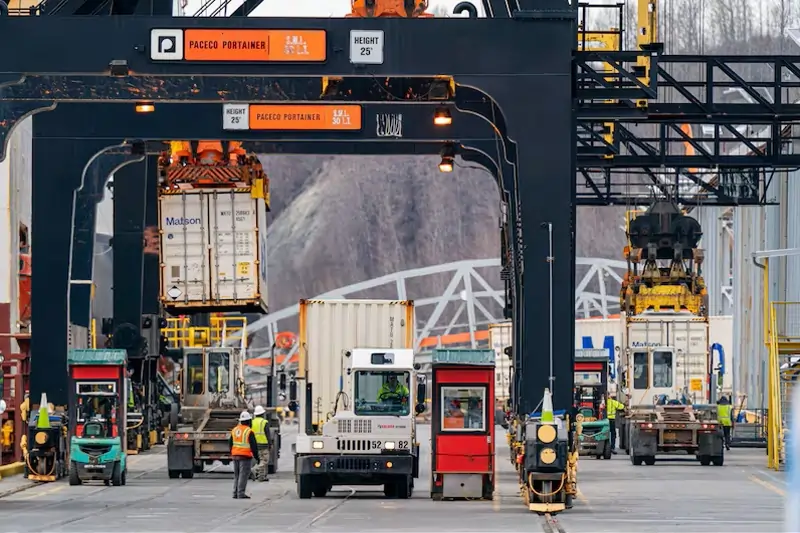
- Line Haul: Consolidated freight moves to regional terminals or hubs
- Deconsolidation: At destination terminals, freight is sorted for final delivery
- Delivery: Your shipment is delivered to its final destination
Alaska-Specific Considerations
LTL shipping in Alaska involves several unique factors:
- Hub-and-Spoke System: Most Alaska LTL networks operate from major hubs in Anchorage, Fairbanks, and Kenai
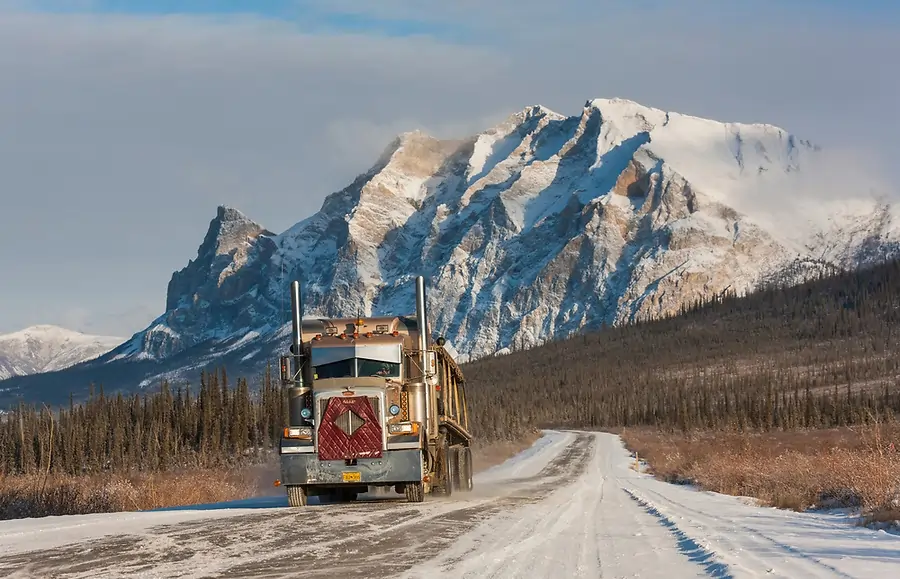
- Limited Service Areas: LTL service is primarily available along the connected road system
- Longer Transit Times: Consolidation and Alaska's vast distances mean LTL typically takes longer than dedicated transport
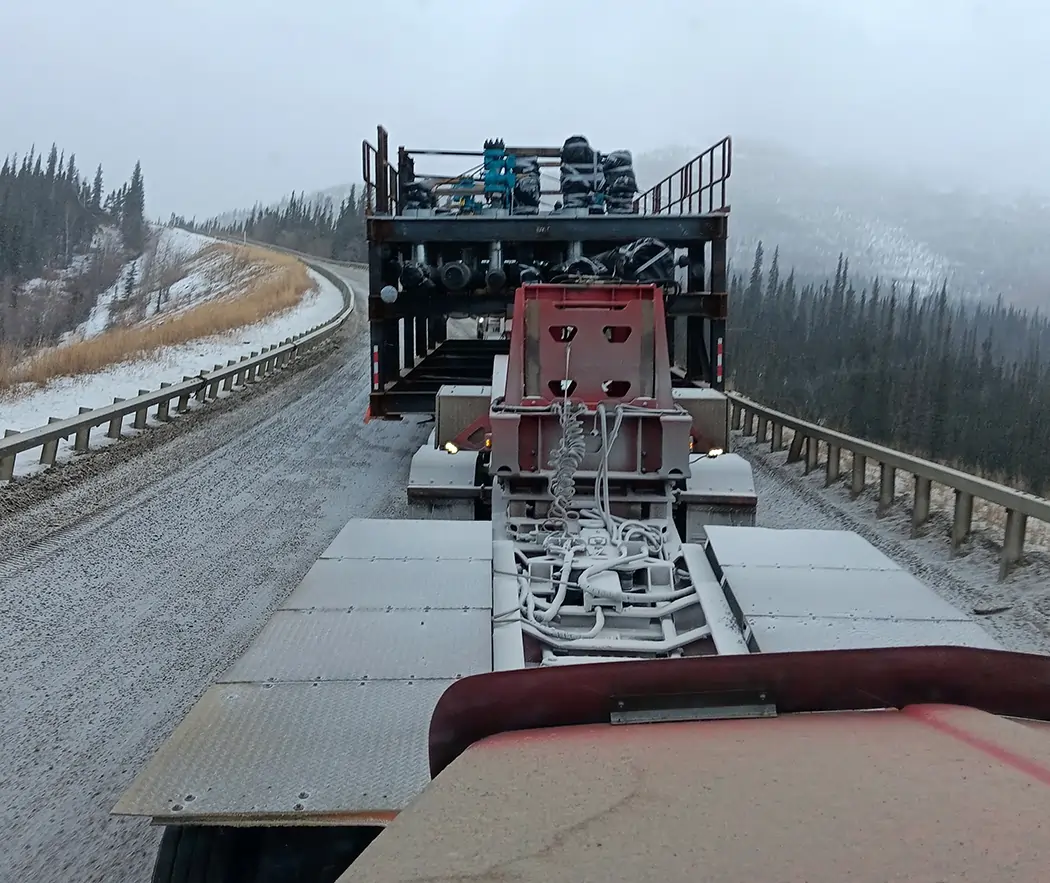
- Weather Impacts: Seasonal conditions can affect reliability and transit times
Freight Classification and Pricing
Understanding how LTL shipments are classified and priced is essential for managing costs:
Key Pricing Factors
- Weight: Heavier shipments typically have lower per-pound rates but higher total costs
- Density: Denser freight (weight relative to volume) generally receives better rates
- Freight Class: Based on density, value, handling requirements, and liability
- Distance: Longer distances increase costs, particularly in Alaska's vast geography
- Accessorial Services: Additional services like residential delivery, liftgate service, or inside delivery add costs
Alaska LTL Rate Structures
Alaska LTL rates typically follow one of these structures:
- Class-Based Pricing: Traditional model using National Motor Freight Classification (NMFC) codes
- Dimensional Weight Pricing: Based on the greater of actual weight or dimensional weight (volume)
- Simplified Zone Pricing: Some Alaska carriers use simplified zone-based systems for intrastate shipments
Optimizing Your Alaska LTL Shipments
Packaging Best Practices
Proper packaging is crucial for Alaska LTL shipments, which typically experience more handling than truckload freight:
- Use Appropriate Materials: Select boxes, crates, or pallets based on the product's fragility and value
- Palletize When Possible: Palletized shipments reduce handling damage and often receive better rates
- Secure Items Properly: Use strapping, stretch wrap, or banding to secure items to pallets
- Label Clearly: Include complete origin and destination information on all pieces
- Consider Climate Protection: Alaska's weather extremes may require additional protection for sensitive items
Documentation Requirements
Accurate documentation ensures smooth processing:
- Bill of Lading: Complete all fields accurately, including dimensions, weight, and freight class
- Delivery Instructions: Provide specific details for any special handling or delivery requirements
- Hazardous Materials: Include all required hazmat documentation if applicable
- Contact Information: Provide valid contact details for both origin and destination
Cost-Saving Strategies
Implement these strategies to optimize your Alaska LTL shipping costs:
- Consolidate Shipments: Combine multiple small shipments into larger ones when possible
- Optimize Dimensions: Pack efficiently to maximize density and minimize dimensional weight charges
- Consider Timing: Non-urgent shipments may qualify for economy service options
- Negotiate Volume Discounts: If you ship regularly, discuss volume pricing with carriers
- Evaluate Accessorials: Only pay for additional services you truly need
- Compare Carriers: Different carriers may offer better rates for specific lanes or freight types
Common Alaska LTL Challenges and Solutions
Challenge: Limited Delivery Windows
Solution: Schedule shipments with buffer time and consider appointment delivery options for time-sensitive freight.
Challenge: Remote Destination Access
Solution: Verify service availability before shipping and consider alternative delivery points for extremely remote locations.
Challenge: Seasonal Delays
Solution: Build additional transit time into winter shipping plans and consider expedited options for critical shipments during challenging weather periods.
Challenge: Damage Risk
Solution: Invest in proper packaging, consider insurance for valuable items, and clearly mark fragile shipments.
Selecting an Alaska LTL Carrier
The right carrier makes a significant difference in Alaska LTL shipping success. Consider these factors:
- Service Coverage: Ensure the carrier serves your specific origin and destination points
- Transit Times: Compare standard service schedules for your lanes
- Reliability Record: Research on-time performance and damage rates
- Technology Platform: Look for easy booking, tracking, and documentation systems
- Alaska Experience: Prioritize carriers with established Alaska operations and local knowledge
- Customer Service: Responsive communication becomes even more important in Alaska's challenging environment
Conclusion
LTL shipping provides a valuable transportation option for Alaska businesses moving smaller freight shipments. By understanding the unique aspects of Alaska LTL service, optimizing your packaging and documentation, and selecting the right carrier partner, you can achieve reliable and cost-effective freight movement throughout the state.
Patriot Logistics offers comprehensive LTL freight solutions tailored to Alaska's unique challenges. For more information about our Alaska LTL services or to request a customized quote, contact our logistics team at (907) 414-3222.

Related Posts