Alaska Freight Challenges Explained
Shipping freight in Alaska presents a unique set of challenges unlike anywhere else in the United States. From extreme weather conditions to limited infrastructure, Alaska's logistics environment requires specialized knowledge and strategic planning. This article explores the major challenges of Alaska freight transportation and provides insights on how to overcome them.
Geographic Challenges
Alaska's vast size and diverse terrain create fundamental logistics challenges:
Immense Distances
Alaska is more than twice the size of Texas, with freight often traveling hundreds or thousands of miles between points. These vast distances increase transit times, fuel consumption, and operational costs. Even shipments between major population centers like Anchorage and Fairbanks involve significant distances compared to similar routes in the Lower 48.
Challenging Terrain
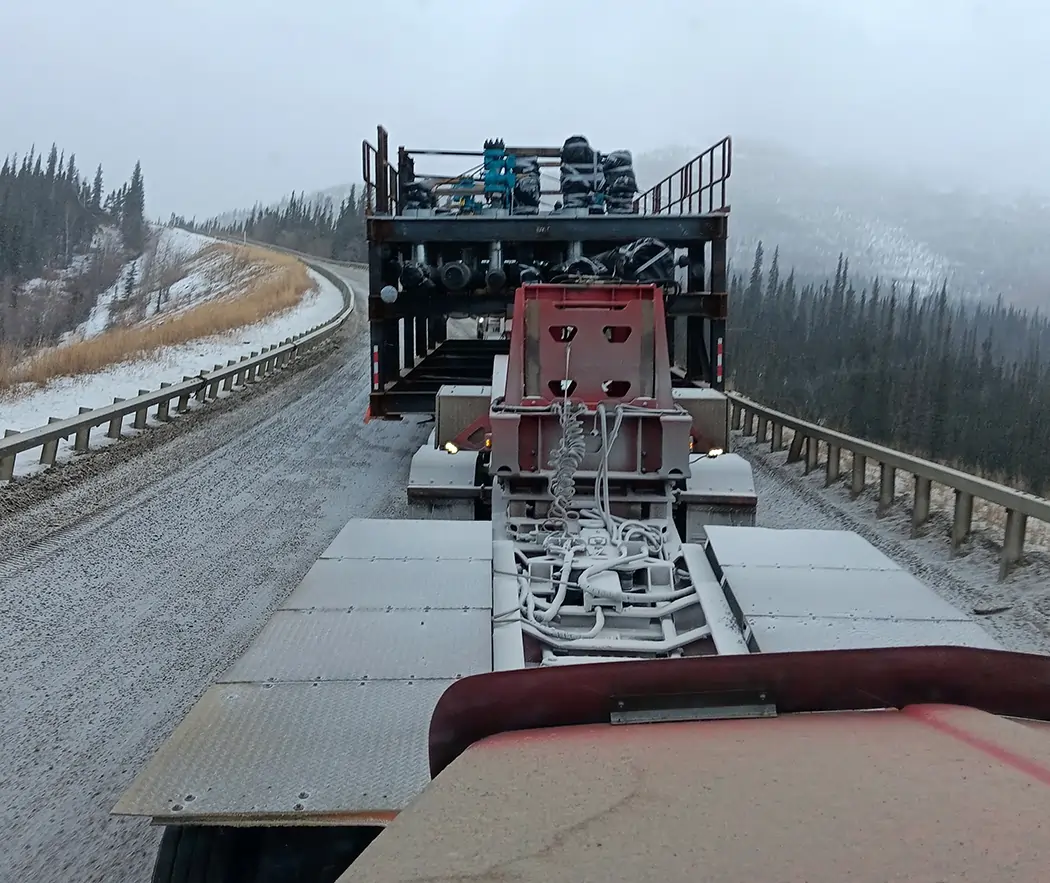
Mountains, glaciers, tundra, and forests create natural barriers to transportation. The Alaska Range, Brooks Range, and other mountain systems divide the state and limit road development. Many routes involve steep grades, winding roads, and difficult driving conditions that require specialized equipment and experienced drivers.
Limited Road Network
Alaska has approximately 5,000 miles of paved roads, less than the state of Vermont despite being more than 60 times larger. This limited road infrastructure means many communities remain isolated from the main transportation network, requiring intermodal solutions involving air or water transport for final delivery.
Weather and Seasonal Challenges
Alaska's extreme climate creates significant operational challenges for freight transportation:
Extreme Cold
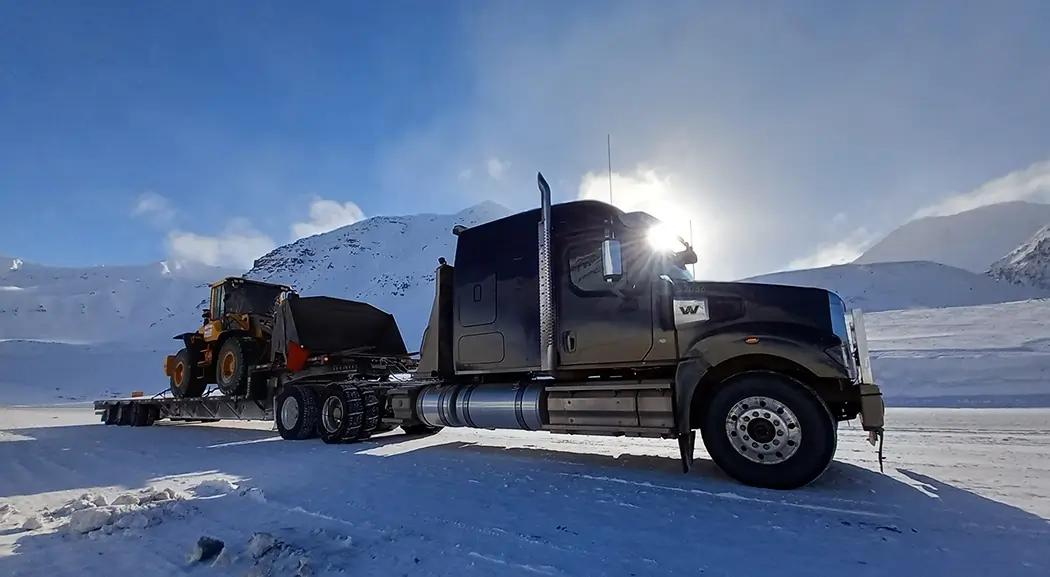
Winter temperatures regularly drop to -20°F to -50°F in Interior Alaska, creating challenges for equipment, cargo, and personnel. Diesel fuel can gel, batteries can fail, and mechanical components become brittle in extreme cold. Special winterization procedures are essential for reliable operations.
Snow and Ice Conditions
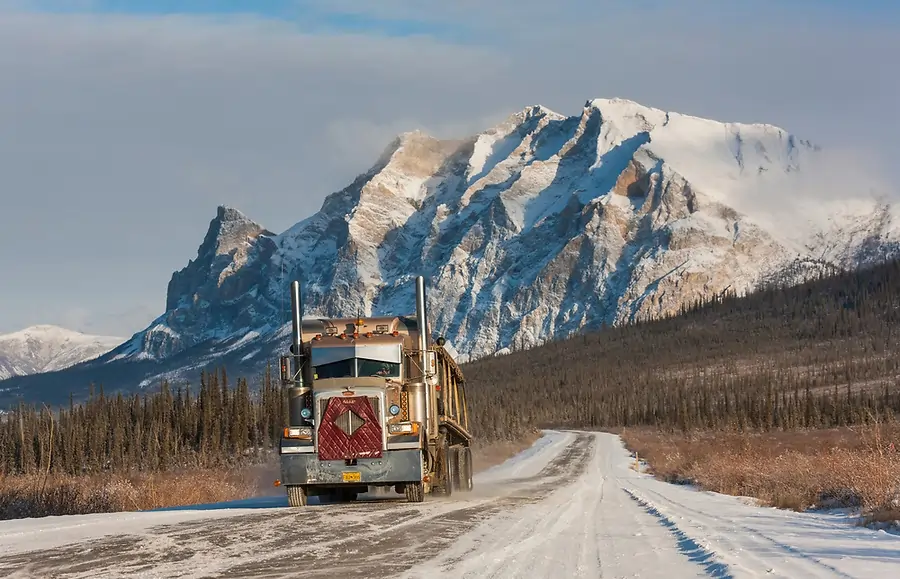
Heavy snowfall and ice create hazardous driving conditions throughout much of the year. Roads may be partially or completely closed during severe weather events, and even when open, reduced speeds and chain requirements impact transit times and reliability.
Seasonal Access Limitations
Many locations have seasonal access restrictions. Some communities are served by ice roads that only exist during winter months, while others may be accessible only during summer when rivers are navigable or seasonal roads are passable. This creates compressed shipping seasons where large volumes must move in limited time windows.
Reduced Daylight
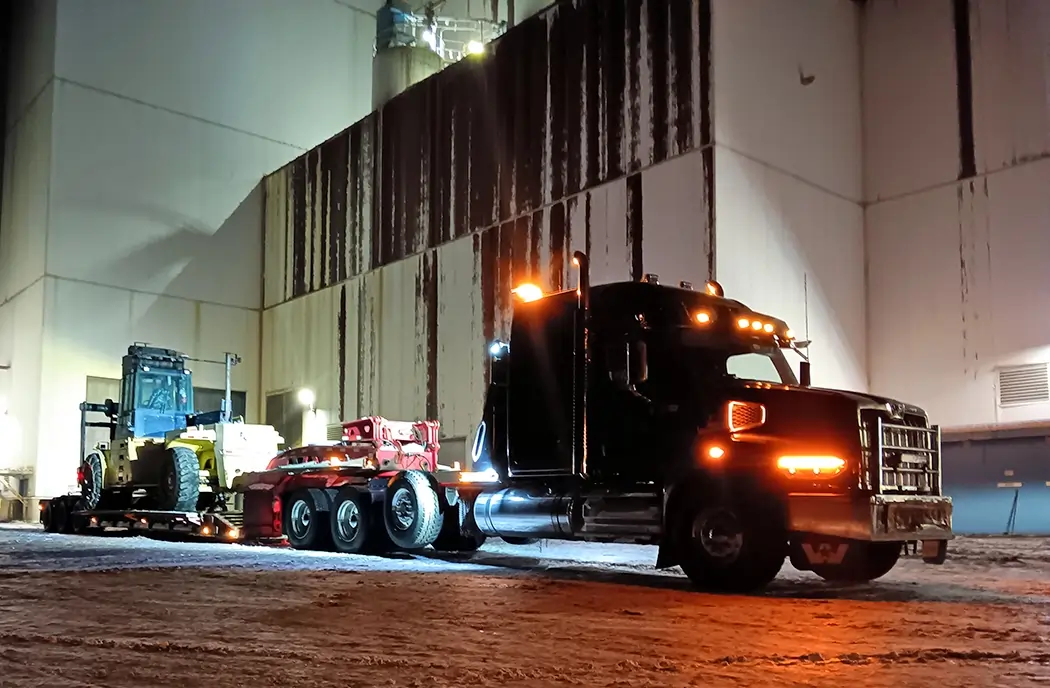
During winter months, parts of Alaska experience extremely limited daylight hours, with some northern regions experiencing complete darkness for weeks. This reduces operational windows and creates additional safety challenges for drivers and equipment operators.
Infrastructure Challenges
Alaska's limited and aging infrastructure creates additional freight challenges:
Limited Intermodal Facilities
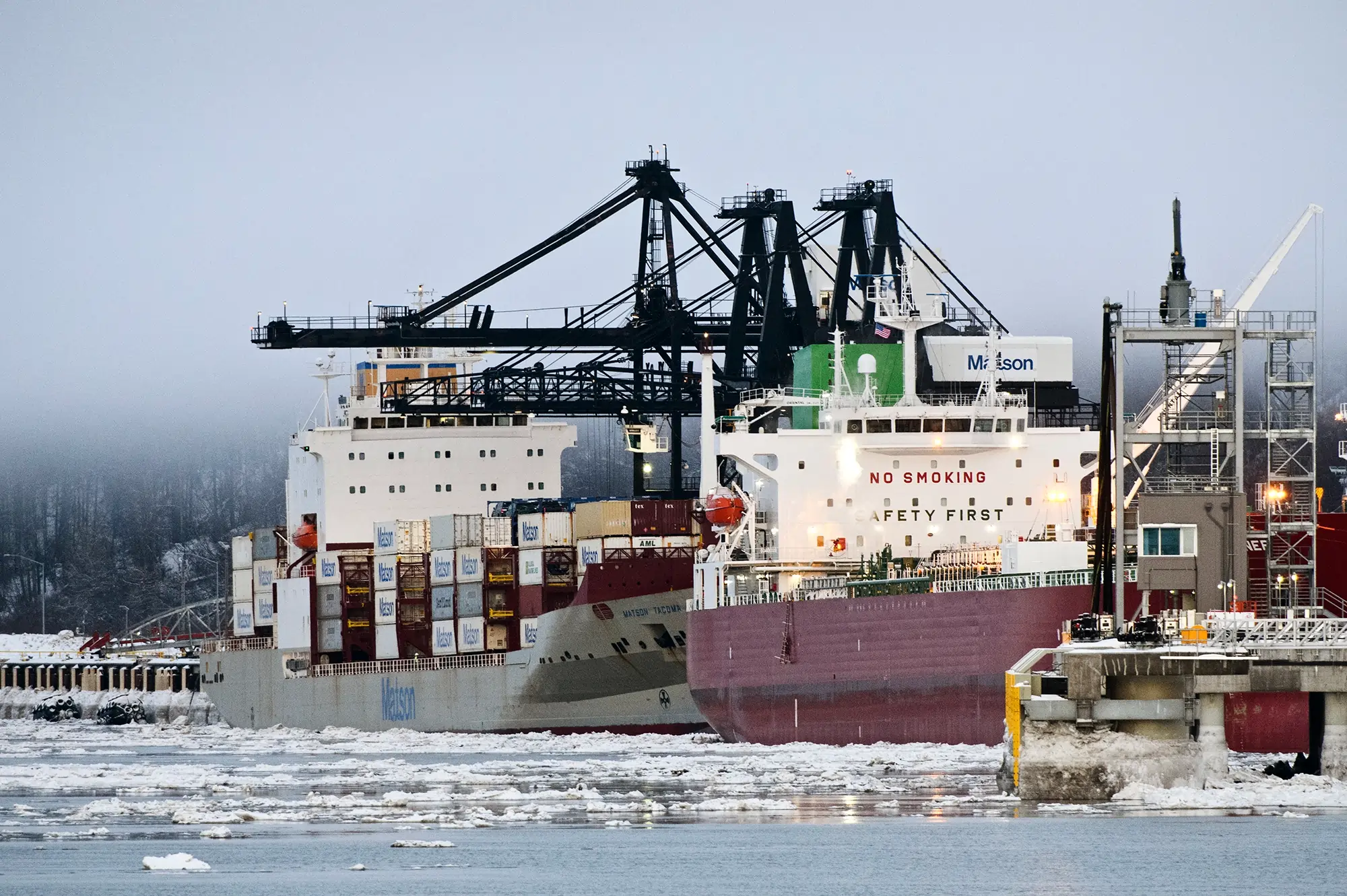
Few locations in Alaska offer comprehensive intermodal transfer capabilities between truck, rail, air, and marine transportation. This creates bottlenecks and inefficiencies when freight must transfer between modes.
Port Capacity Constraints
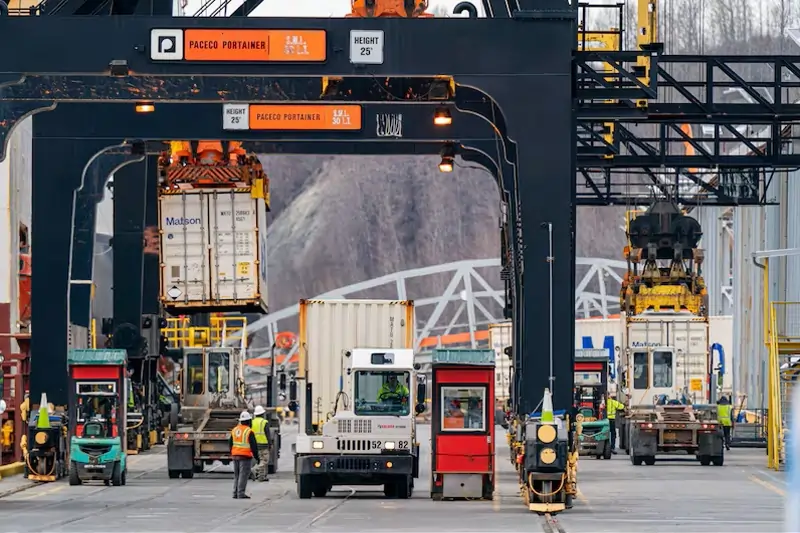
The Port of Anchorage handles over 90% of consumer goods entering Alaska, creating a critical dependency on a single facility. Other ports have limited capacity or seasonal operations, restricting options for marine freight movements.
Aging Infrastructure
Many of Alaska's roads, bridges, and ports were constructed decades ago and face maintenance challenges due to harsh conditions and limited funding. Weight restrictions, reduced speed limits, and occasional closures for repairs impact freight reliability.
Operational Challenges
The Alaska freight environment creates unique operational considerations:
Equipment Utilization
Imbalanced freight flows often mean equipment must return empty after delivering loads to remote locations. This "deadhead" requirement increases the effective cost of transportation as the return trip generates no revenue but still incurs operational expenses.
Specialized Equipment Needs
Alaska operations require specialized equipment designed for extreme conditions. From engine block heaters and fuel additives to specialized tires and cold-weather lubricants, the equipment investment for Alaska operations exceeds typical requirements in milder climates.
Fuel and Maintenance Costs
Fuel costs in Alaska typically exceed national averages, particularly in remote locations. Maintenance costs are also higher due to accelerated wear from harsh conditions and the limited availability of service facilities in many areas.
Strategies for Overcoming Alaska Freight Challenges
Despite these challenges, effective freight movement within Alaska is achievable with the right approach:
Partner with Alaska Specialists
Work with carriers who specialize in Alaska transportation and understand its unique challenges. Local expertise is invaluable for navigating the complexities of intra-Alaska shipping.
Implement Seasonal Planning
Develop shipping strategies that account for seasonal variations. This might include building inventory during favorable shipping periods or utilizing different routing options based on seasonal conditions.
Utilize Technology
Modern tracking systems, weather monitoring, and route optimization software can improve reliability and efficiency in challenging conditions. Real-time visibility becomes even more valuable when operating in Alaska's dynamic environment.
Consider Multimodal Options
Be flexible with transportation modes, utilizing combinations of truck, air, rail, and marine options to optimize cost and reliability based on specific origin-destination pairs and seasonal conditions.
Invest in Proper Packaging
Alaska's harsh conditions and multiple handling points in multimodal shipments require robust packaging to protect freight. Investing in appropriate packaging reduces damage claims and ensures products arrive in good condition.
Conclusion
While Alaska freight transportation presents significant challenges, they can be overcome with proper planning, appropriate partnerships, and specialized knowledge. Understanding these challenges is the first step toward developing effective logistics strategies for the Last Frontier.
For more information about how Patriot Logistics navigates these challenges to provide reliable intra-Alaska freight services, request a customized quote or contact our team at (907) 414-3222 for a consultation.

Related Posts