Comprehensive Guide to Intra-Alaska Shipping
Alaska's vast size, challenging terrain, and extreme weather conditions create unique logistics challenges for businesses shipping freight within the state. This comprehensive guide provides essential information for navigating intra-Alaska shipping effectively.
Understanding Alaska's Transportation Network
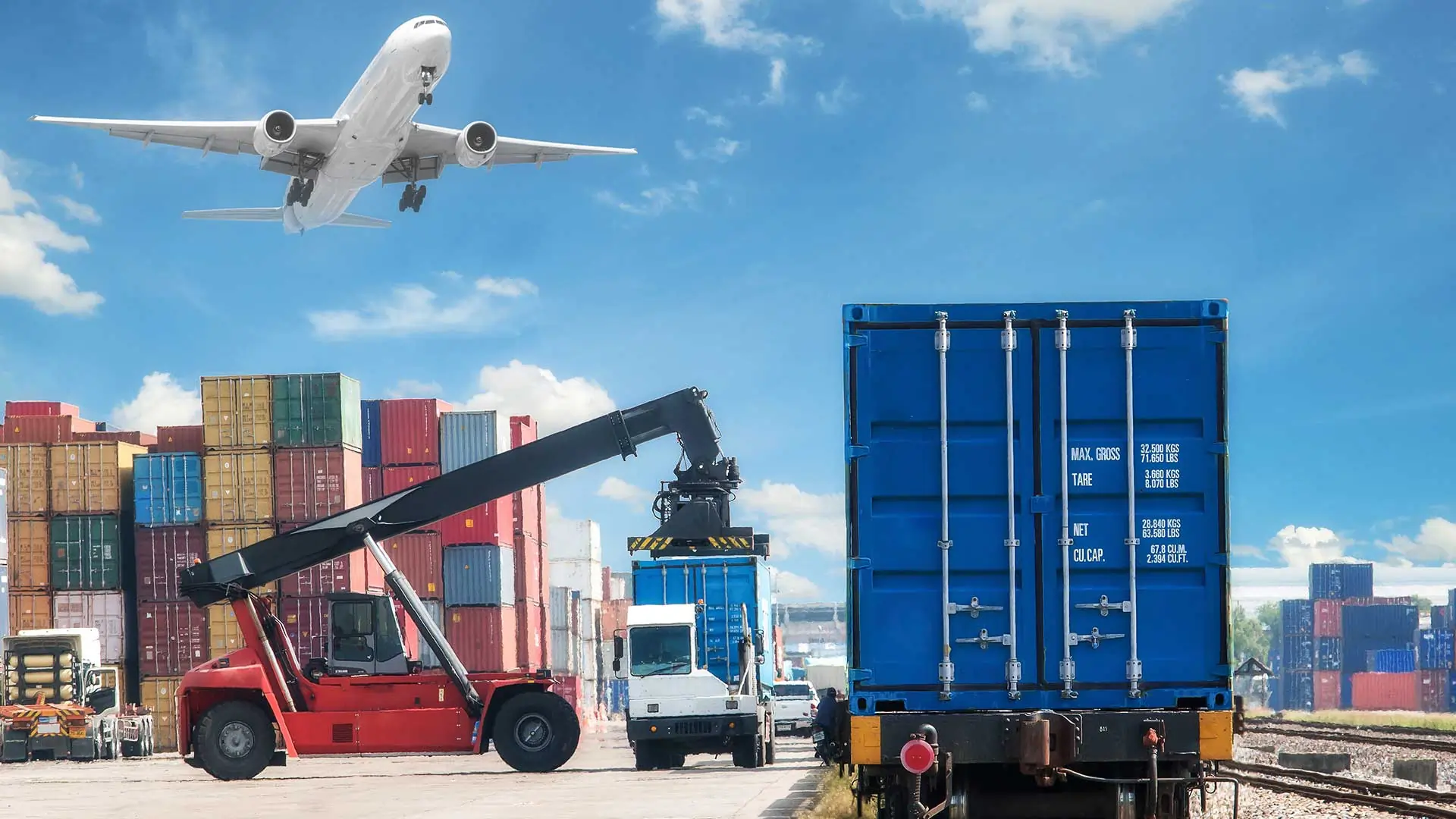
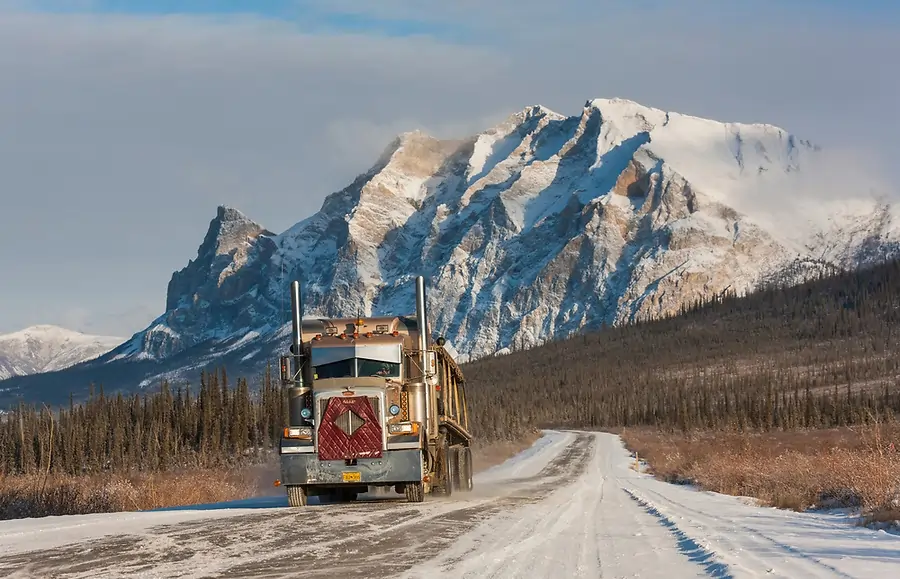
Alaska's transportation infrastructure differs significantly from the contiguous United States. The state's limited road system connects major population centers, but many communities remain accessible only by air or water. Key components of Alaska's freight network include:
- Road System: Approximately 5,000 miles of paved roads, primarily connecting Anchorage, Fairbanks, the Kenai Peninsula, and the Mat-Su Valley
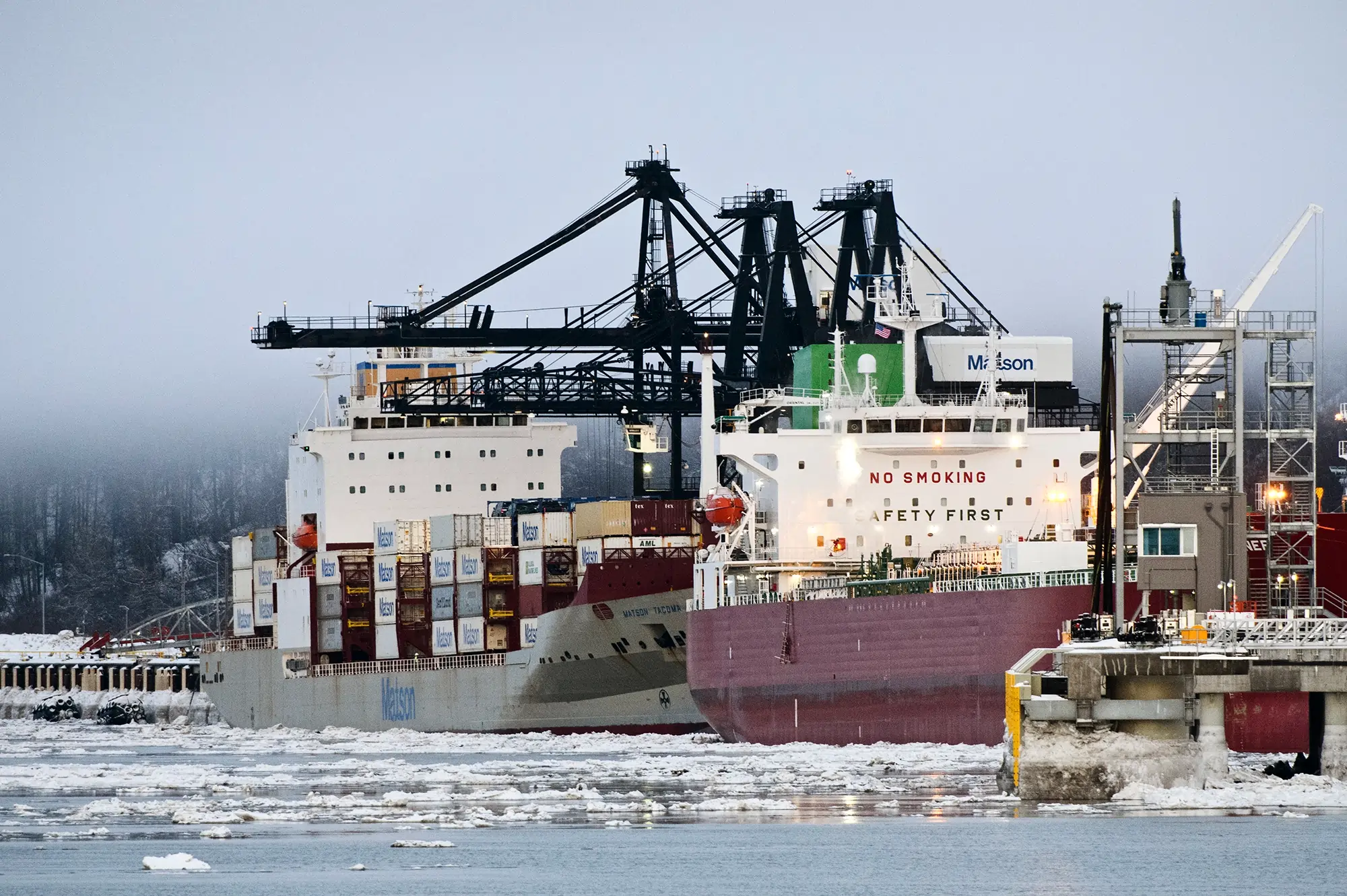
- Marine Transport: Essential for Southeast Alaska and coastal communities
- Air Freight: Critical for remote locations off the road system
- Seasonal Routes: Winter ice roads and summer barge operations
Seasonal Considerations for Alaska Shipping
Alaska's extreme seasonal variations significantly impact freight operations:
Winter Challenges (October-April)
- Extreme cold temperatures affecting equipment and cargo
- Snow and ice conditions on roadways
- Reduced daylight hours impacting operations
- Ice road access to remote locations (opportunity and challenge)
- Potential weather delays and road closures
Summer Advantages (May-September)
- Extended daylight hours allowing for longer operating times
- Improved road conditions and accessibility
- Increased construction and development activity generating freight demand
- Tourism season creating additional logistics requirements
Freight Options for Intra-Alaska Shipping
Full Truckload (FTL)
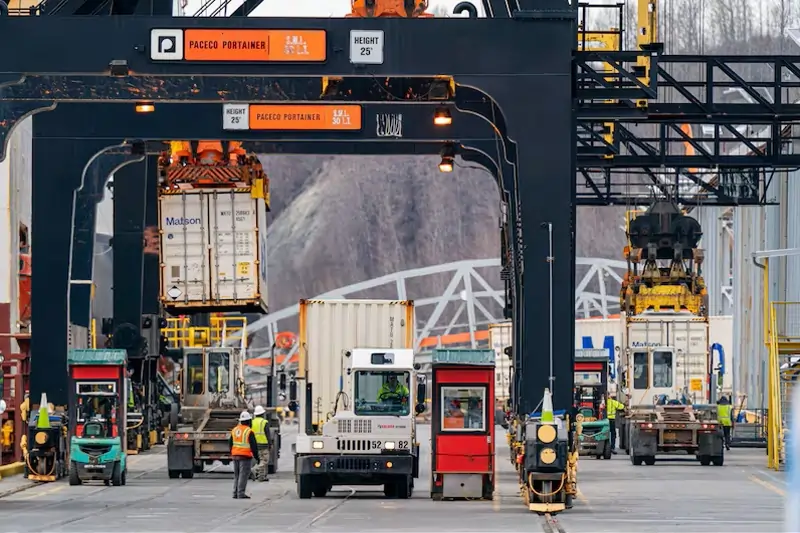
Best for larger shipments requiring an entire trailer. Full truckload shipping provides direct point-to-point service with minimal handling, reducing the risk of damage and offering faster transit times. Ideal for time-sensitive or high-value shipments.
Less-Than-Truckload (LTL)
Cost-effective for smaller shipments that don't require a full trailer. Your freight shares space with other shipments, reducing costs but potentially increasing transit times and handling. LTL shipping solutions are widely used for regular shipments to Alaska's major population centers.
Expedited Freight
When time is critical, expedited services provide priority handling and routing. These services come at a premium but ensure your shipment reaches its destination as quickly as possible, essential for time-sensitive materials, emergency supplies, or production-critical components.
Specialized Transport
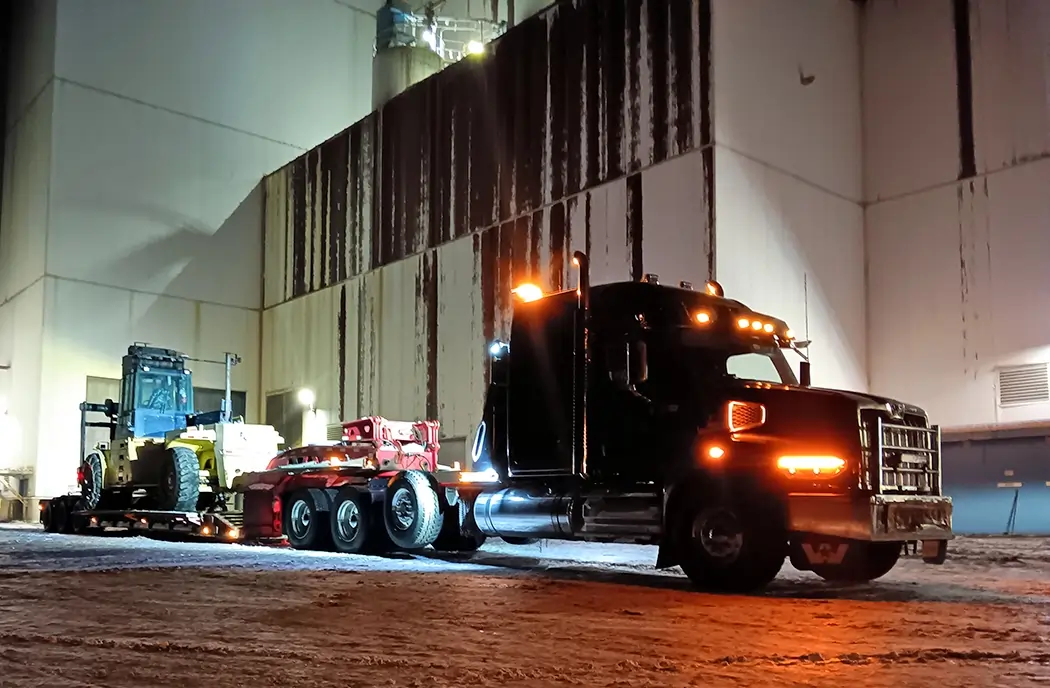
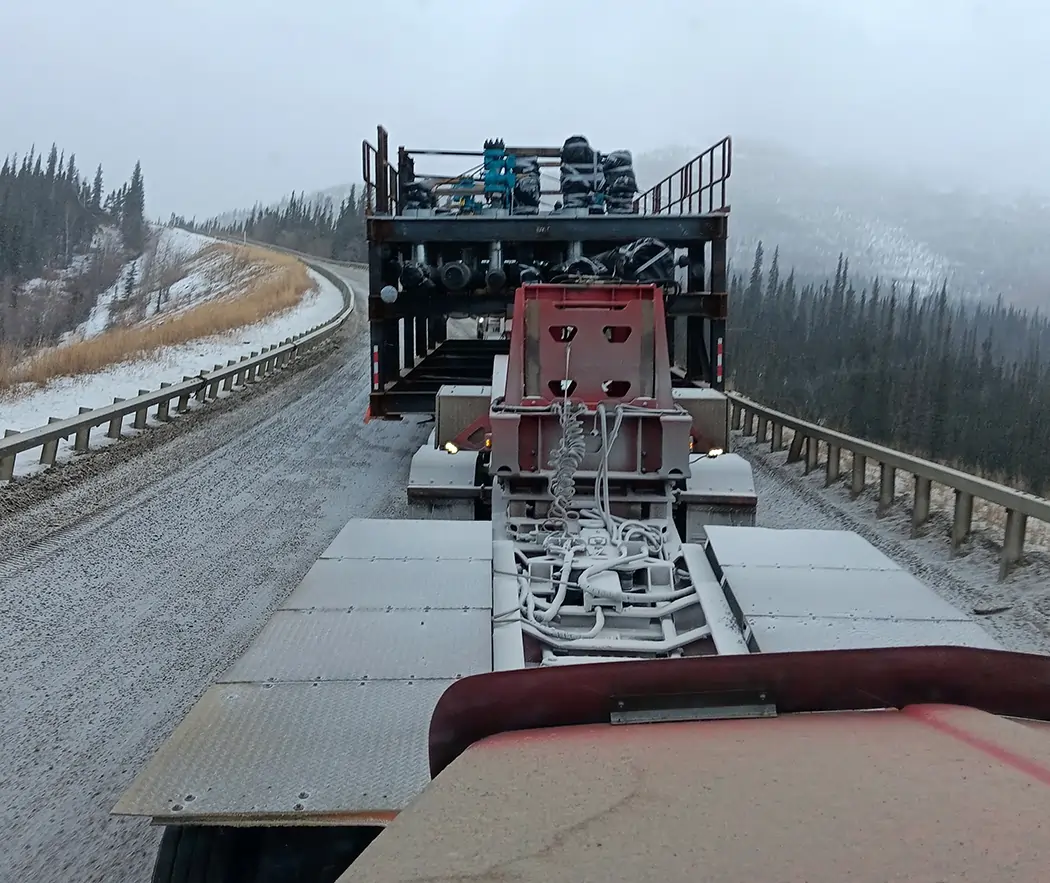
For oversized, overweight, or unusual cargo, specialized equipment and permits are required. Alaska's resource industries frequently require heavy haul services for equipment and materials that exceed standard dimensions or weight restrictions.
Cost Factors in Alaska Freight
Several factors influence the cost of shipping within Alaska:
- Distance: Alaska's vast size means distance plays a significant role in cost
- Accessibility: Remote locations or those with limited access options typically incur higher costs
- Seasonality: Winter operations often come with increased costs due to operational challenges
- Fuel Prices: Alaska's fuel costs can fluctuate significantly, impacting freight rates
- Shipment Characteristics: Size, weight, density, and special handling requirements affect pricing
- Equipment Requirements: Specialized equipment needs can increase costs
Best Practices for Efficient Alaska Shipping
- Plan Ahead: Allow extra time for Alaska shipments, especially during winter months or to remote locations
- Consolidate Shipments: Whenever possible, consolidate smaller shipments to reduce costs
- Proper Packaging: Alaska's conditions demand robust packaging to protect goods during transit
- Consider Seasonality: Schedule non-urgent shipments during optimal weather periods
- Partner with Alaska Specialists: Work with Patriot Logistics who understands Alaska's unique challenges
- Maintain Flexibility: Weather and conditions can change rapidly, requiring adaptable logistics plans
- Utilize Technology: Tracking systems provide visibility in a challenging logistics environment
Choosing the Right Alaska Freight Partner
The carrier you select significantly impacts your shipping success in Alaska. Look for these qualities:
- Alaska Experience: Carriers with extensive Alaska operations understand the unique challenges
- Comprehensive Network: Coverage of your specific origin and destination points
- Equipment Availability: Appropriate vehicles for your freight and Alaska conditions
- Tracking Capabilities: Visibility throughout the shipping process
- Contingency Planning: Established protocols for weather delays and other disruptions
- Customer Service: Responsive communication is essential in Alaska's challenging environment
Conclusion
Shipping within Alaska presents unique challenges but can be navigated successfully with proper planning, appropriate carrier selection, and understanding of the state's distinctive logistics environment. By applying the strategies outlined in this guide, businesses can achieve more reliable, cost-effective freight movement throughout the Last Frontier.
Patriot Logistics specializes in intra-Alaska shipping with deep expertise in navigating the state's unique challenges. For more information about our comprehensive Alaska transportation services, request a customized freight quote or call our logistics specialists at (907) 414-3222.

Related Posts