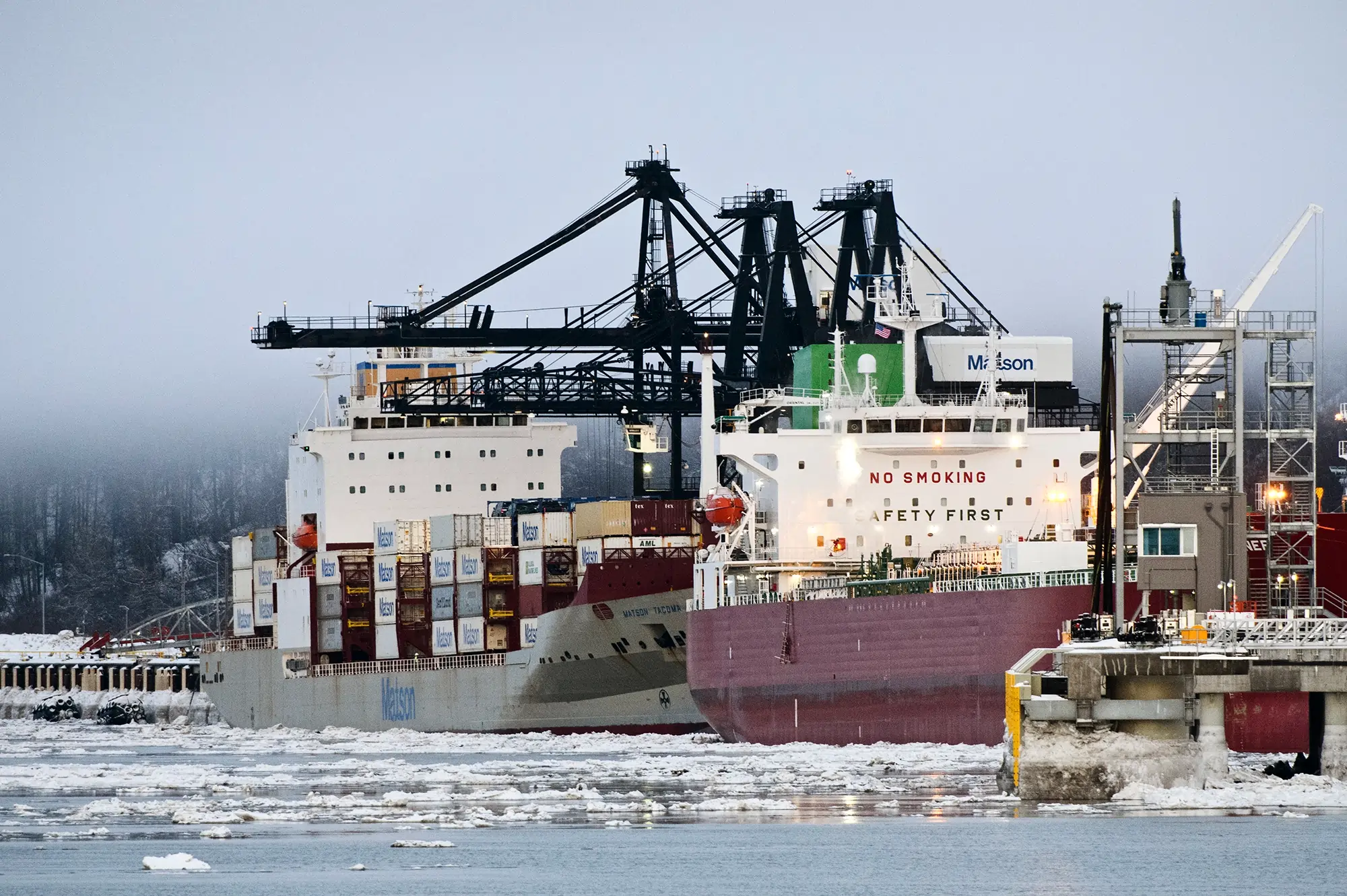

Best Practices for Successful Alaska Shipping
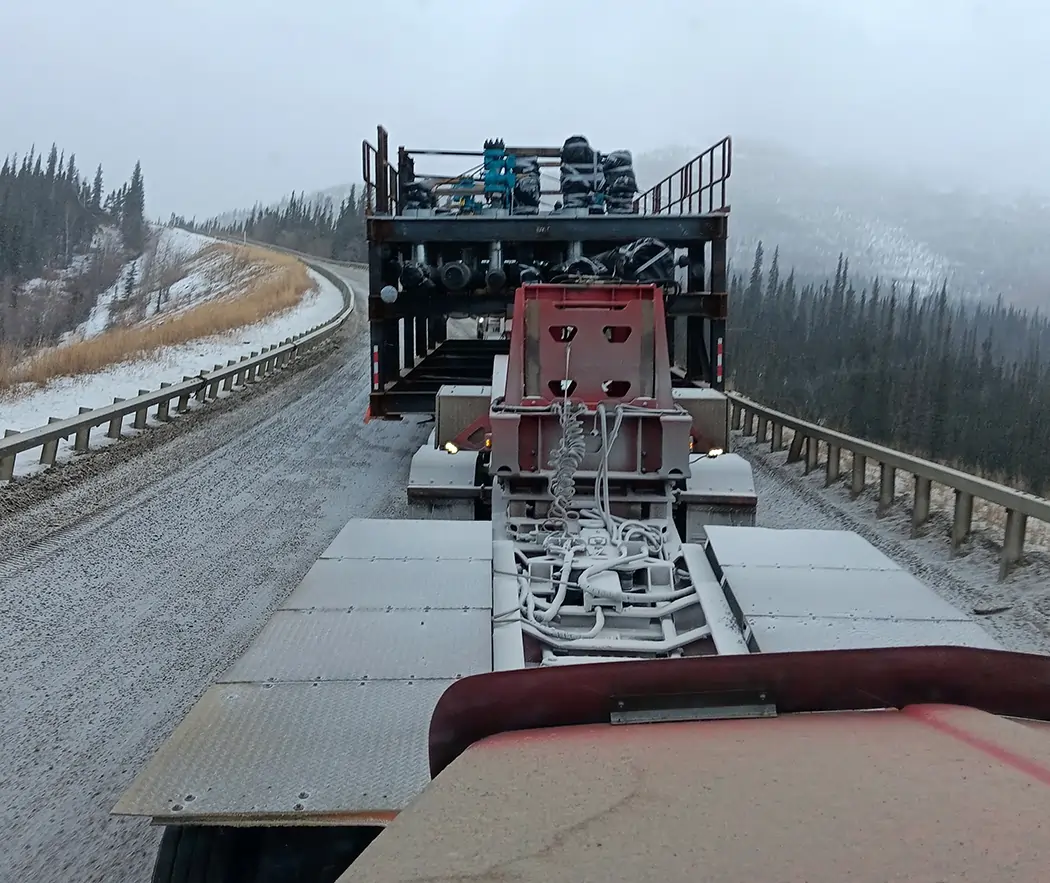
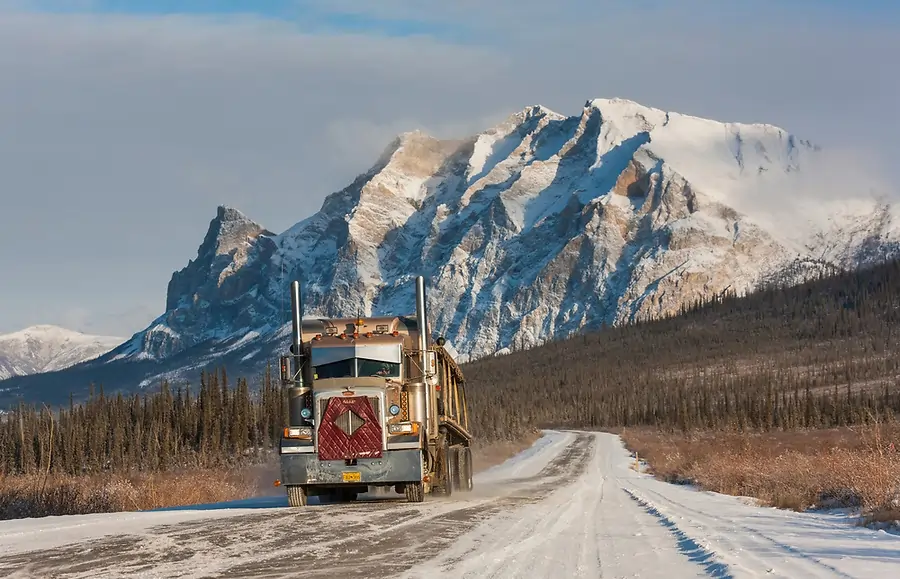
Shipping to and within Alaska presents unique challenges not found in the continental United States. The Last Frontier's vast geography, extreme weather conditions, limited infrastructure, and remote communities create a logistics environment that requires specialized knowledge and careful planning. This guide outlines essential best practices for successful Alaska shipping operations.
Understanding Alaska's Unique Shipping Environment
Before diving into specific best practices, it's important to understand the key factors that make Alaska's shipping landscape different from standard interstate shipping operations:
- Geographic Scale: Alaska is more than twice the size of Texas, with distances between major cities that would span multiple states in the Lower 48. According to transportation infrastructure data, this creates unique logistical challenges.
- Limited Infrastructure: The state has approximately 5,000 miles of paved roads, leaving many communities accessible only by air or water
- Extreme Weather: Winter temperatures can drop to -50°F in interior regions, while coastal areas experience some of North America's most severe storms
- Seasonal Limitations: Ice roads in winter, spring breakup, and fall freeze-up all affect transportation options throughout the year
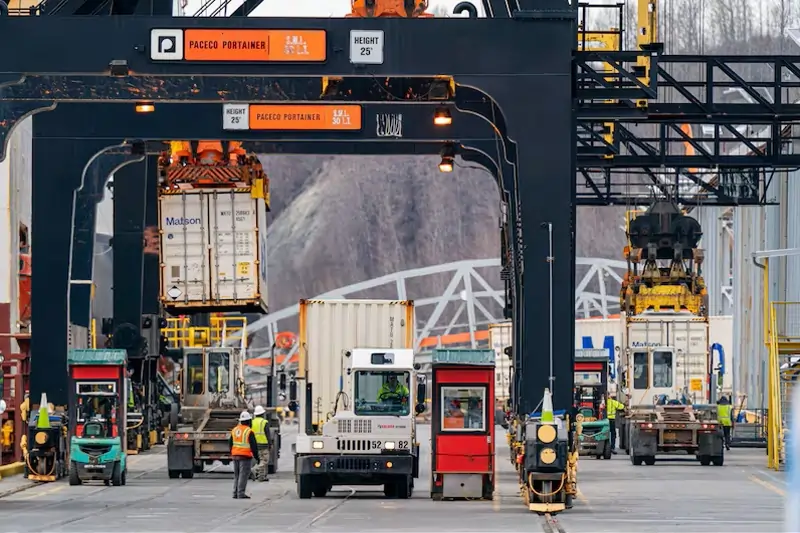
- Transportation Mix: Most freight requires multiple modes of transportation, often including barge, plane, and truck to reach final destinations
- Higher Costs: The additional distance, challenging conditions, and infrastructure limitations result in higher transportation costs
Strategic Planning and Preparation
Advance Planning
Successful Alaska shipping begins with thorough planning:
- Extended Lead Times: Build in additional transit time for all Alaska shipments, typically 2-7 days beyond normal domestic timeframes
- Seasonal Forecasting: Develop a comprehensive annual shipping calendar accounting for seasonal weather patterns and transportation availability
- Consolidation Strategies: When possible, consolidate smaller shipments to Anchorage or Fairbanks to optimize costs
- Backup Planning: Always have contingency routes and carriers identified for critical shipments
- Multi-Mode Coordination: Plan for seamless transitions between transportation modes
Seasonal Considerations
Adapt your shipping strategy to Alaska's distinctive seasons:
- Summer Planning: Capitalize on the summer shipping season (May-September) for remote destinations
- Winter Preparation: Prepare for longer transit times and potential weather delays from October through April
- Spring/Fall Transitions: Be especially cautious during "shoulder seasons" when transportation options may change rapidly
- Holiday Shipping: Build in extra lead time during peak holiday seasons, when capacity is strained
- Construction Season: Account for increased demand for construction materials and equipment during summer months
Optimizing Packaging and Preparation
Cold-Weather Packaging
Protect temperature-sensitive items from Alaska's extreme conditions:
- Insulated Packaging: Use appropriate insulation for temperature-sensitive items
- Proper Liquid Handling: Ensure liquids are properly packaged to prevent freezing and expansion damage
- Electronics Protection: Include moisture-absorbing materials and allow for temperature acclimatization
- Battery Considerations: Lithium batteries require special handling in extreme cold
- Labeling: Clearly mark packages containing temperature-sensitive items
Durable Packaging
Prepare for multiple handling points and challenging conditions:
- Reinforced Cartons: Use heavy-duty corrugated materials for all shipments
- Moisture Protection: Include water-resistant barriers, especially for marine transport
- Secure Palletization: Use proper strapping, wrapping, and corner protection
- Weight Distribution: Ensure even weight distribution to prevent shifting
- Interior Protection: Use adequate void fill and cushioning materials
Clear Documentation and Labeling
Ensure your shipments can be properly identified and routed:
- Weather-Resistant Labels: Use waterproof labels with clear, legible information
- Multiple Identification Points: Label all sides of packages and include duplicate paperwork
- Detailed Addressing: Include specific location details, building names, and landmarks
- Special Handling Instructions: Clearly mark any special handling requirements
- Contact Information: Include phone numbers for both origin and destination contacts
Carrier Selection and Management
Choosing the Right Partners
Identify carriers with the right experience and capabilities:
- Alaska Experience: Prioritize carriers with established Alaska expertise and proven track records
- Specific Route Knowledge: Ensure carriers have experience with your exact destinations
- Equipment Adequacy: Confirm carriers have appropriate equipment for Alaska's challenging conditions
- Service Coverage: Verify precise service areas and frequency
- Tracking Capabilities: Prioritize carriers offering comprehensive visibility
Building Effective Carrier Relationships
Develop strong partnerships with your Alaska carriers:
- Advance Communication: Provide early notification of shipment needs
- Complete Information: Supply detailed shipment characteristics and requirements
- Consistent Volume: When possible, maintain regular shipping patterns
- Feedback System: Establish a process for performance review and improvement
- Long-Term Partnership: View carrier relationships as strategic rather than transactional
Documentation and Compliance
Essential Documentation
Ensure all required paperwork is complete and accurate:
- Bills of Lading: Include comprehensive details, particularly special handling requirements
- Hazardous Materials Documentation: Complete all required hazmat documentation where applicable
- Value Declaration: Accurately declare values for insurance purposes
- Delivery Instructions: Provide detailed directions for final delivery
- Special Permits: Secure any required permits for oversized or restricted items
Regulatory Compliance
Navigate Alaska's regulatory environment effectively:
- Weight Restrictions: Adhere to seasonal weight restrictions on Alaska highways
- Hazardous Materials Regulations: Comply with both federal and Alaska-specific hazmat rules
- Environmental Regulations: Follow appropriate protocols for potentially environmentally sensitive items
- Indigenous Land Regulations: Understand and respect regulations regarding shipments to native lands
- Local Ordinances: Be aware of community-specific delivery restrictions
Cost Optimization Strategies
Freight Consolidation
Reduce costs through effective consolidation:
- Volume Optimization: Consolidate to LTL or full truckload quantities when possible
- Strategic Scheduling: Align shipments to optimize transit opportunities
- Backhaul Utilization: Take advantage of backhaul rates when available
- Multi-Party Consolidation: Consider shared freight options with compatible shippers
- Hub Utilization: Use Anchorage or Fairbanks as consolidation points
Modal Optimization
Select the most appropriate transportation modes:
- Barge vs. Air: Carefully weigh the cost/speed tradeoffs between marine and air freight
- Intermodal Coordination: Optimize connections between different transportation modes
- Seasonal Mode Shifting: Adjust modal choices based on seasonal availability
- Expedited Services: Reserve premium services for truly time-critical shipments
- Alternative Routing: Consider non-standard routes that may offer better value
Value-Added Services
Leverage carrier services to enhance efficiency:
- Cross-Docking: Utilize cross-dock services to minimize handling and storage
- Warehousing: Strategically position inventory in Alaska logistics hubs
- Order Consolidation: Combine multiple orders into single shipments
- Packaging Services: Use carrier packaging services where appropriate
- Information Systems: Leverage carrier tracking and reporting tools
Technology and Visibility
Shipment Tracking
Maintain visibility throughout the Alaska supply chain:
- Real-Time Tracking: Implement tracking systems that work across transportation modes
- Milestone Alerts: Establish automated notifications for key shipment events
- Exception Management: Create proactive alerts for potential delivery issues
- Last-Mile Visibility: Extend tracking capabilities to final destinations
- Customer Access: Provide tracking information to end recipients
Data Management
Use data to continuously improve your Alaska shipping operations:
- Performance Metrics: Track key indicators including on-time delivery, damage rates, and costs
- Seasonal Analysis: Analyze performance patterns across Alaska's seasons
- Route Optimization: Use data to identify the most effective routing strategies
- Carrier Scorecards: Develop objective assessments of carrier performance
- Continuous Improvement: Implement a structured approach to ongoing optimization
Special Considerations for Remote Destinations
Bush Alaska Shipping
Prepare effectively for shipping to remote locations:
- Extended Lead Times: Plan for significantly longer transit times to bush communities
- Weather Contingencies: Build in additional buffer for frequent weather disruptions
- Alternative Routing: Identify multiple routing options for critical shipments
- Local Coordination: Establish contacts in destination communities
- Specialized Equipment: Arrange for appropriate equipment for remote deliveries
Final Mile Considerations
Ensure successful final delivery in challenging environments:
- Detailed Delivery Instructions: Provide precise information about delivery locations
- Local Contact Coordination: Establish reliable local contacts for delivery assistance
- Appropriate Equipment: Ensure carriers have equipment suited to local conditions
- Delivery Scheduling: Coordinate delivery timing with recipients
- Documentation: Maintain thorough delivery verification
Industry-Specific Solutions
Different industries face unique challenges in the Alaska supply chain. According to recent industry research, successful companies adapt their approach based on sector-specific needs:
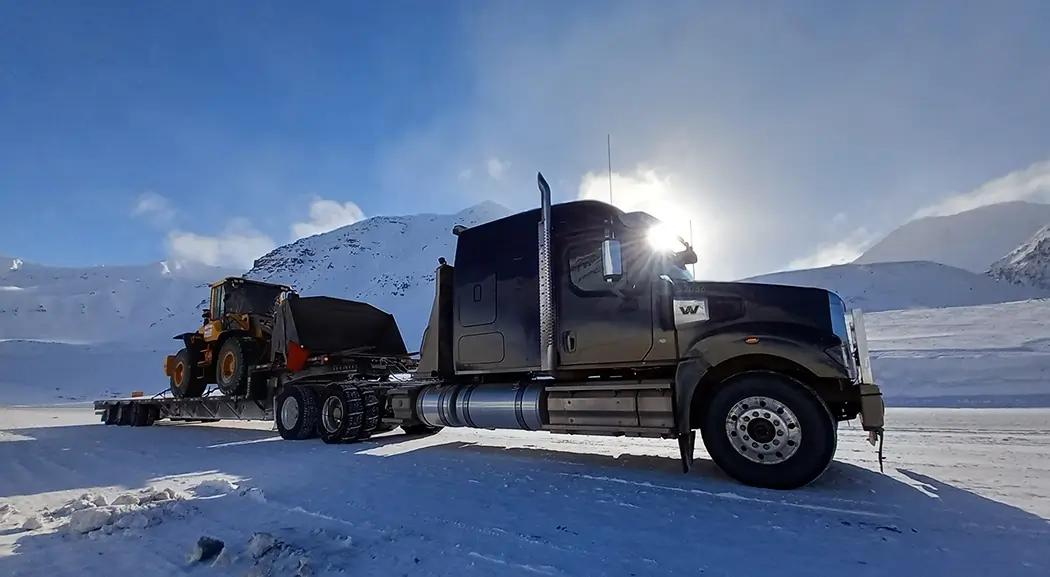
- Construction Projects: Seasonal planning and heavy equipment transport expertise are essential
- Energy & Resource Industries: Remote site deliveries demand specialized equipment and extensive contingency planning
- Consumer Goods: Temperature control and protective packaging are critical for sensitive products
- Retail Operations: Reliable delivery schedules and inventory visibility are paramount for Alaska retailers
- Seafood and Perishables: Cold chain integrity and expedited handling systems are crucial
Conclusion
Successful shipping in Alaska requires a specialized approach that acknowledges and adapts to the state's unique challenges. By implementing these best practices, shippers can significantly improve reliability, reduce costs, and enhance customer satisfaction despite the challenging environment. The key to success lies in thorough planning, appropriate preparation, selecting experienced partners, and maintaining visibility throughout the shipping process.
Patriot Logistics specializes in navigating Alaska's complex logistics landscape. With decades of experience serving locations throughout the state, our team understands the specific challenges of Alaska shipping and has developed proven solutions for even the most remote destinations. For assistance with your Alaska freight needs, request a customized quote or contact our logistics team to discuss your specific requirements.

Related Posts