The Critical Importance of Final-Mile Delivery in Alaska
In the logistics industry, the "final mile" refers to the last leg of the delivery journey, the movement of goods from a transportation hub to the final destination. While this component represents just a fraction of the total distance traveled, it often accounts for a significant portion of the total shipping cost and has the greatest impact on customer satisfaction. In Alaska's unique and challenging environment, final-mile delivery takes on even greater importance and complexity.
Understanding Final-Mile Delivery in Alaska
Alaska's final-mile logistics differ dramatically from those in the Lower 48 states due to several factors:
Geographic Challenges
- Vast Distances: Even within the "final mile," distances in Alaska can be substantial
- Limited Infrastructure: Many communities have minimal road networks or are entirely off the road system
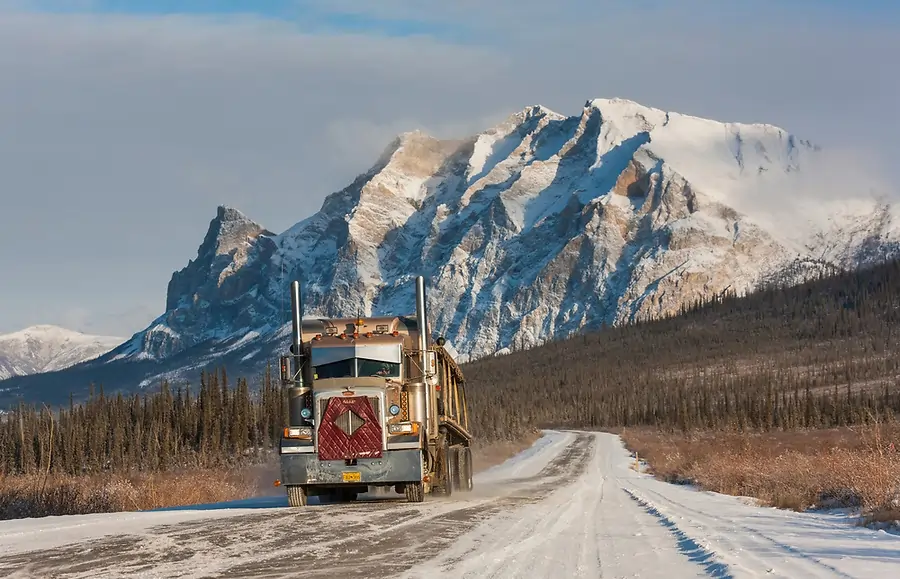
- Challenging Terrain: Mountains, wetlands, and water crossings complicate delivery routes
- Remote Locations: Deliveries to remote work sites, camps, or isolated properties require specialized approaches
Weather and Seasonal Factors
- Extreme Cold: Winter temperatures impact equipment, personnel, and cargo
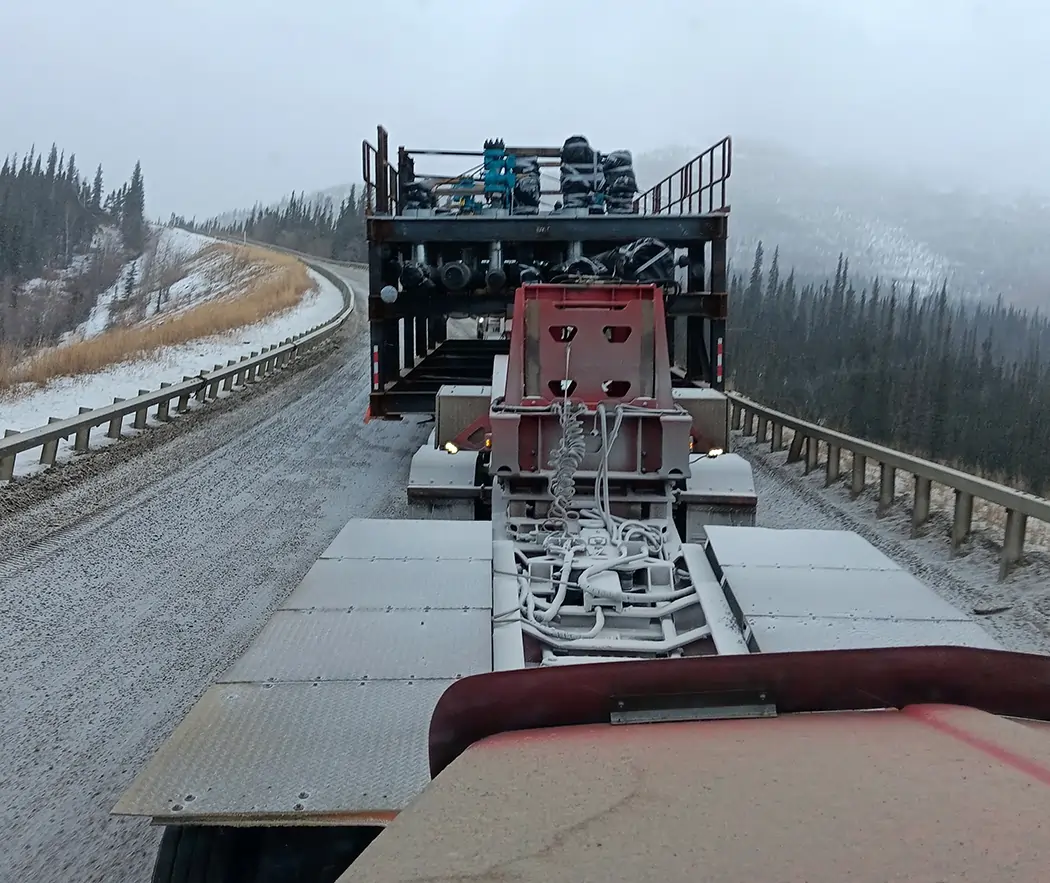
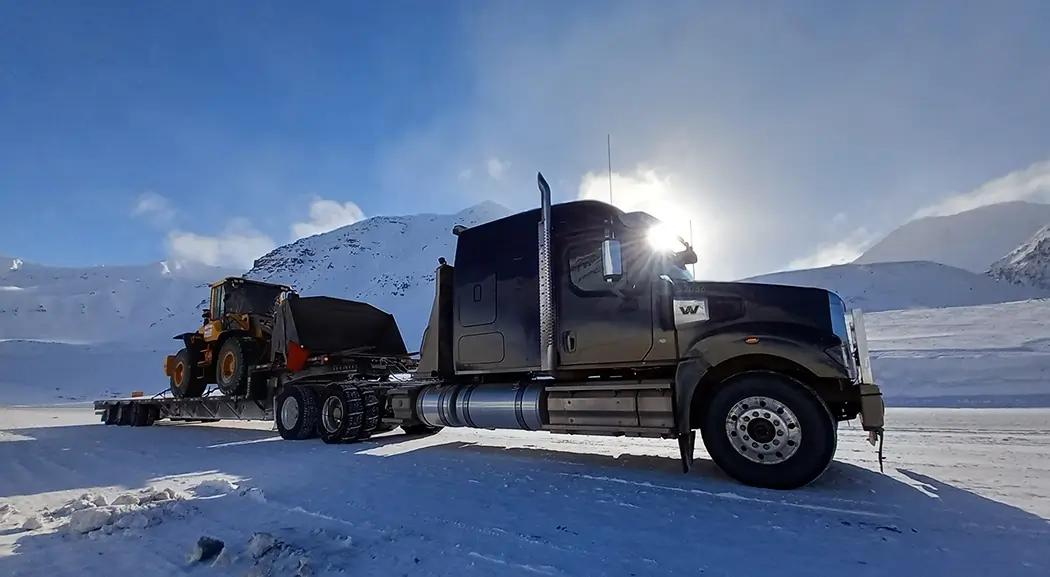
- Snow and Ice: Winter conditions affect accessibility and safety
- Seasonal Access: Some locations are accessible only during specific seasons
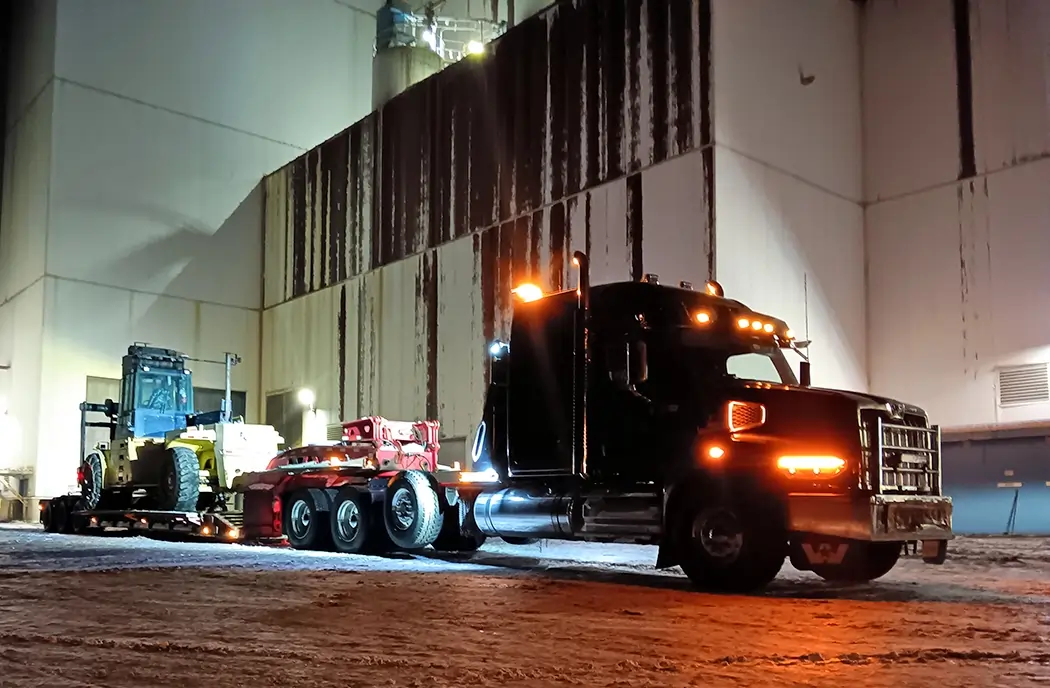
- Daylight Variations: Limited winter daylight restricts delivery windows
Operational Considerations
- Equipment Requirements: Specialized vehicles for Alaska conditions
- Personnel Expertise: Drivers familiar with local conditions and challenges
- Delivery Density: Lower population density increases per-stop costs
- Multimodal Connections: Coordination between different transportation modes
Why Final-Mile Delivery Matters in Alaska
Customer Experience Impact
The final-mile experience shapes customer perceptions of the entire logistics process. In Alaska, where residents and businesses often depend critically on reliable deliveries due to limited local sourcing options, this becomes even more significant. A successful final-mile delivery can build customer loyalty and trust, while failures can damage relationships regardless of how well the rest of the supply chain performed.
Business Continuity
For Alaska businesses, particularly those in remote locations or critical industries like oil and gas, mining, or healthcare, final-mile reliability directly impacts operational continuity. Equipment parts, supplies, and materials must reach their destination on time to prevent costly downtime or project delays.
Cost Implications
Final-mile delivery in Alaska represents a disproportionate share of total logistics costs compared to other regions. Optimizing this segment can significantly impact overall transportation expenses and profitability.
Community Access
For many Alaska communities, especially those off the road system or in remote areas, reliable final-mile service provides essential access to supplies, equipment, and goods that sustain quality of life and economic activity.
Final-Mile Challenges Unique to Alaska
Rural and Remote Deliveries
Alaska's population distribution creates unique final-mile challenges. Outside of major centers like Anchorage, Fairbanks, and Juneau, communities become smaller and more dispersed. Delivering to these locations requires specialized knowledge of local conditions, appropriate vehicles, and often coordination with local contacts.
Industrial Site Logistics
Alaska's resource industries, oil and gas, mining, fishing, and timber, frequently operate in remote locations with specific delivery requirements. These deliveries may involve security protocols, safety requirements, specialized unloading equipment, and precise scheduling to align with operational needs.
Urban Delivery Complexities
Even in Alaska's urban centers, final-mile delivery presents unique challenges. Anchorage and Fairbanks experience extreme winter conditions that affect urban delivery operations. Seasonal tourism fluctuations in communities like Juneau and Ketchikan create variable delivery volumes and access challenges during peak seasons.
Intermodal Connections
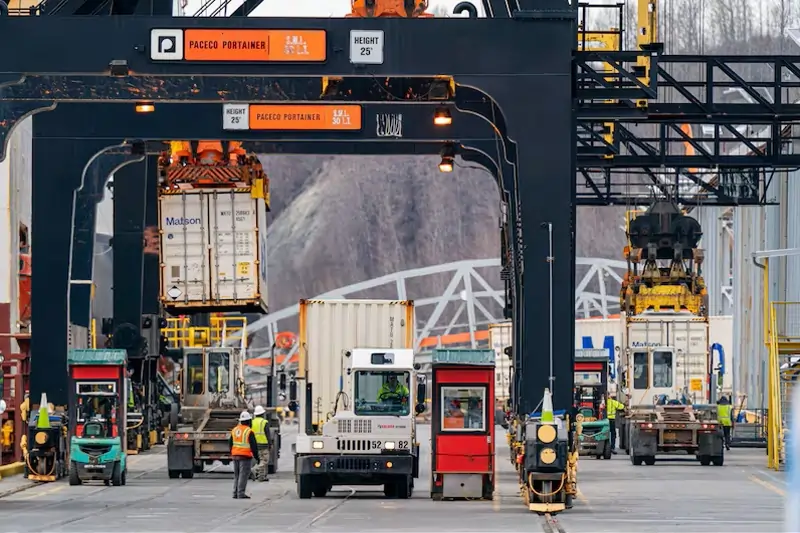
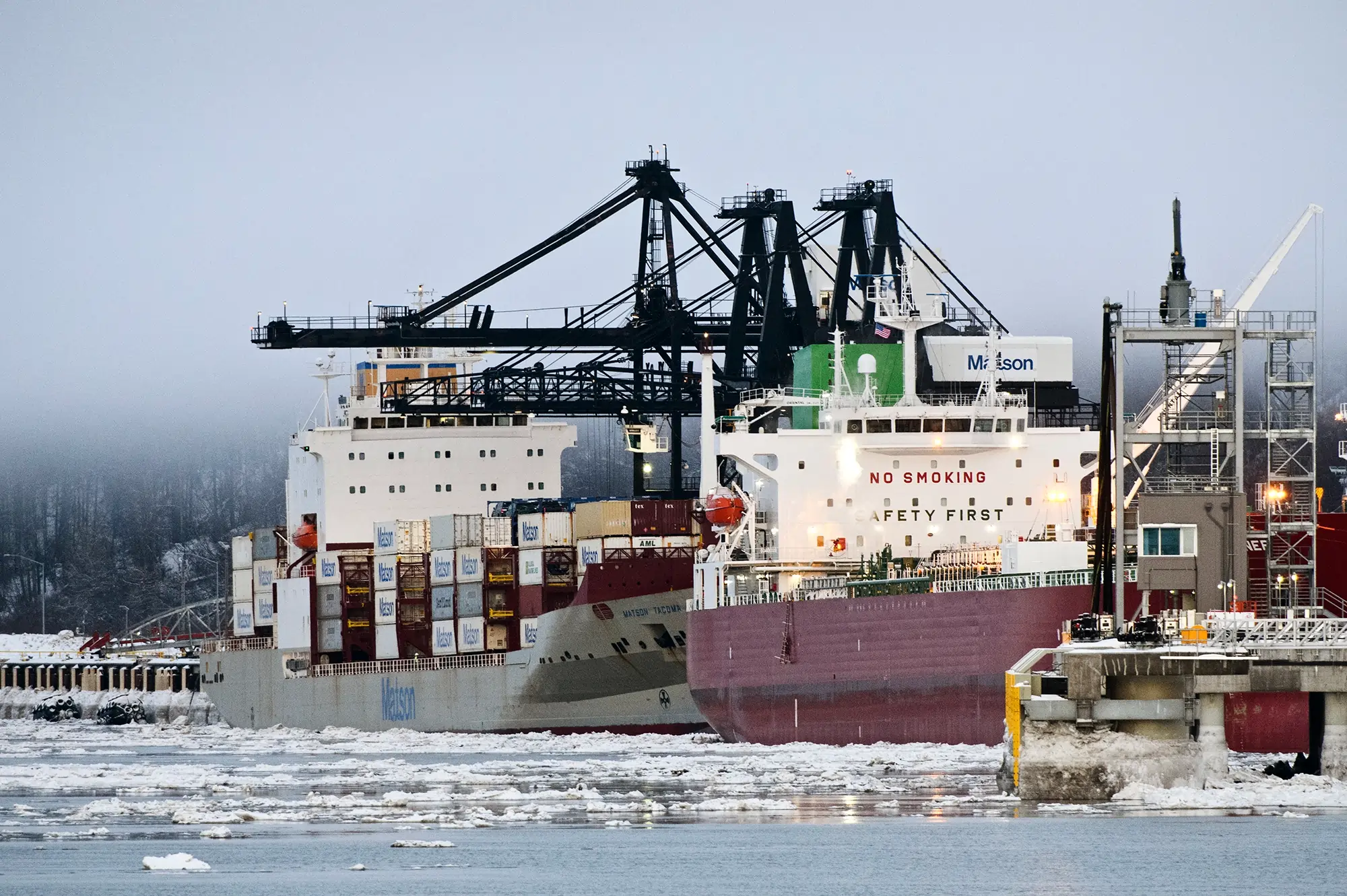
Many Alaska final-mile deliveries require seamless coordination between different transportation modes. Freight may arrive by barge, plane, or train before transferring to trucks for final delivery. These handoffs require careful coordination to prevent delays or misrouting.
Best Practices for Alaska Final-Mile Success
Local Knowledge and Expertise
The most critical factor in Alaska final-mile success is local knowledge. Carriers with extensive Alaska experience understand the nuances of each community, the seasonal variations that affect delivery, and the specific challenges of different regions. This knowledge allows them to anticipate problems and develop effective solutions.
Appropriate Equipment
Alaska final-mile delivery requires vehicles and equipment designed for the state's conditions. This includes:
- Cold-weather vehicle packages with engine block heaters and battery protection
- All-terrain capability for unpaved roads and challenging conditions
- Versatile loading and unloading equipment for locations without docks or forklifts
- Climate control for temperature-sensitive cargo
Flexible Delivery Options
Successful Alaska final-mile providers offer flexible delivery options to accommodate the state's unique challenges:
- Appointment delivery for remote locations or businesses with specific receiving hours
- Alternative delivery points for extremely remote locations
- Seasonal delivery schedules aligned with access windows
- Coordination with local contacts for special requirements
Technology Integration
While Alaska's remote areas may have connectivity challenges, technology still plays a vital role in final-mile success:
- GPS tracking and routing optimized for Alaska's limited road network
- Communication systems that function in areas with limited cell coverage
- Electronic proof of delivery with offline capabilities
- Weather monitoring and alert systems for route planning
Proactive Communication
Given Alaska's delivery challenges, proactive communication becomes even more important:
- Advance delivery notifications with realistic time windows
- Immediate updates when delays occur
- Clear communication about delivery requirements or limitations
- Confirmation of successful delivery
The Future of Alaska Final-Mile Delivery
Several trends are shaping the evolution of final-mile delivery in Alaska:
Technology Advancements
Improved satellite communications, better weather prediction models, and enhanced routing algorithms are making Alaska final-mile operations more efficient and reliable. As these technologies continue to develop, they will further improve service capabilities.
Alternative Delivery Methods
In some parts of Alaska, alternative delivery methods are being explored, including drone delivery for small packages to remote locations and autonomous vehicle testing for urban deliveries. While still emerging, these technologies may eventually complement traditional delivery methods.
Sustainability Focus
As environmental concerns grow, Alaska final-mile providers are exploring more sustainable delivery options, including fuel-efficient vehicles, route optimization to reduce emissions, and alternative fuels where practical. These initiatives must balance environmental goals with the practical realities of Alaska's challenging operating environment.
Conclusion
Final-mile delivery represents the most visible and often most challenging component of the Alaska supply chain. Its successful execution requires specialized knowledge, appropriate equipment, flexible approaches, and a deep understanding of Alaska's unique conditions. By recognizing the critical importance of this final link in the logistics chain and implementing best practices, businesses can ensure reliable delivery service even in Alaska's most challenging environments.
Patriot Logistics provides comprehensive final-mile delivery services throughout Alaska, with the expertise and equipment necessary to serve even the most challenging locations. For more information about our final-mile delivery capabilities or to request a customized quote, contact our team at (907) 414-3222.
Related Posts